01
Rebuilding emotionally
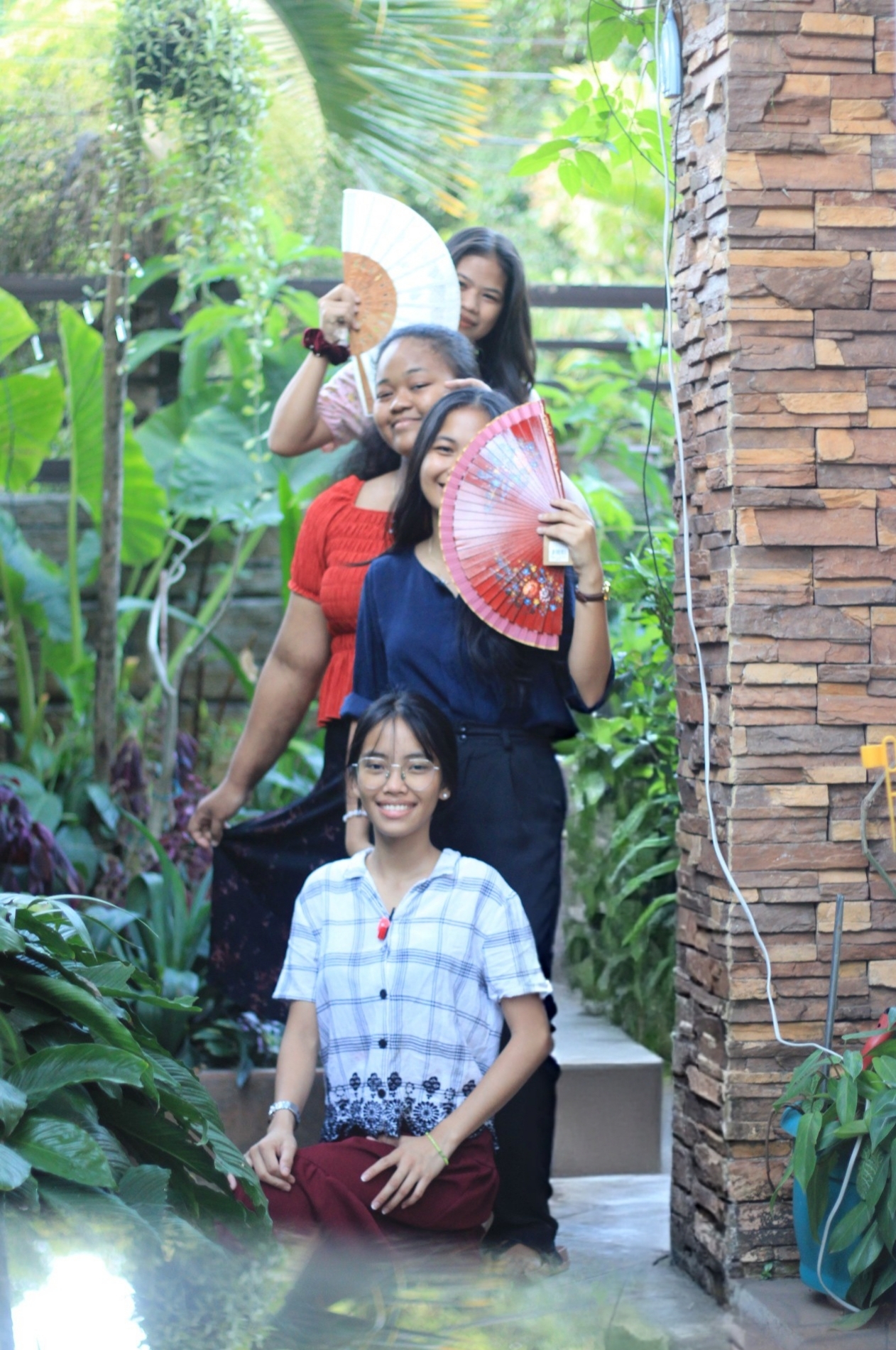
A safe environment in which to face past trauma, overcome it and regain confidence. Knowing themselves better helps them identify their strengths and look to the future again.
Accompanying young women victims: the School of Life · Accompanying youth in the juvenile justice system: the Second Chance Program
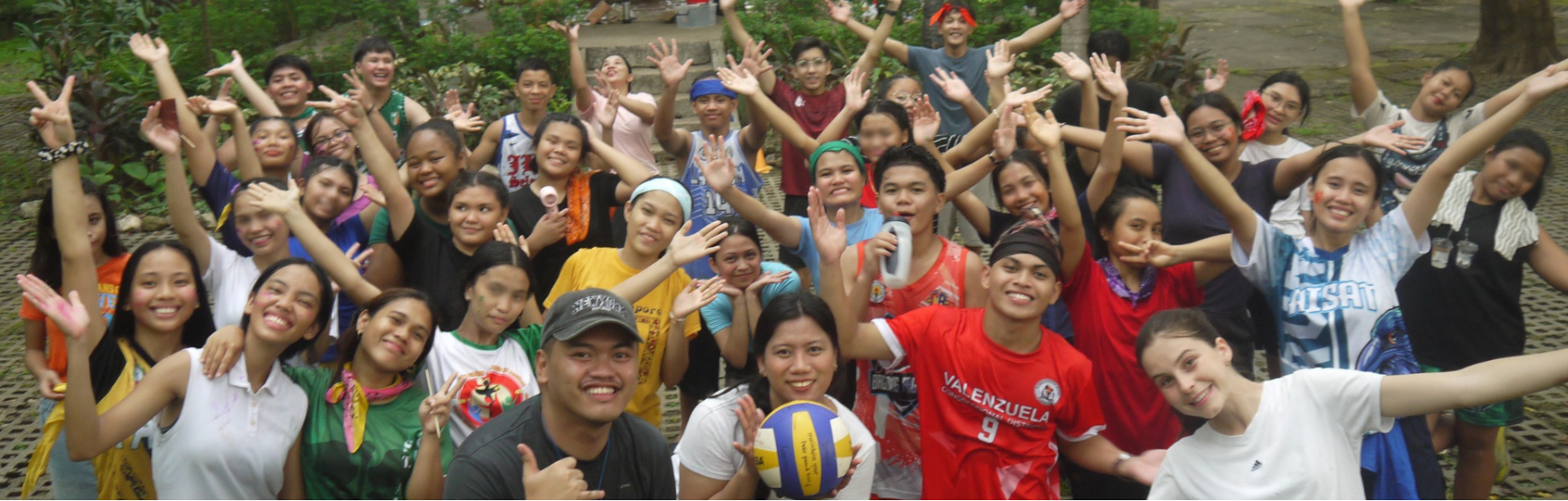
An unconventional residential program preparing young women for independent living
Because no one becomes independent overnight!
At 18, you legally become an adult, but you don't suddenly become able to take care of yourself, hold down a job or manage your money. For young women scarred by violence, abandonment and years in centers where every decision was made for them, this transition is especially difficult. The School of Life supports them through this decisive stage.
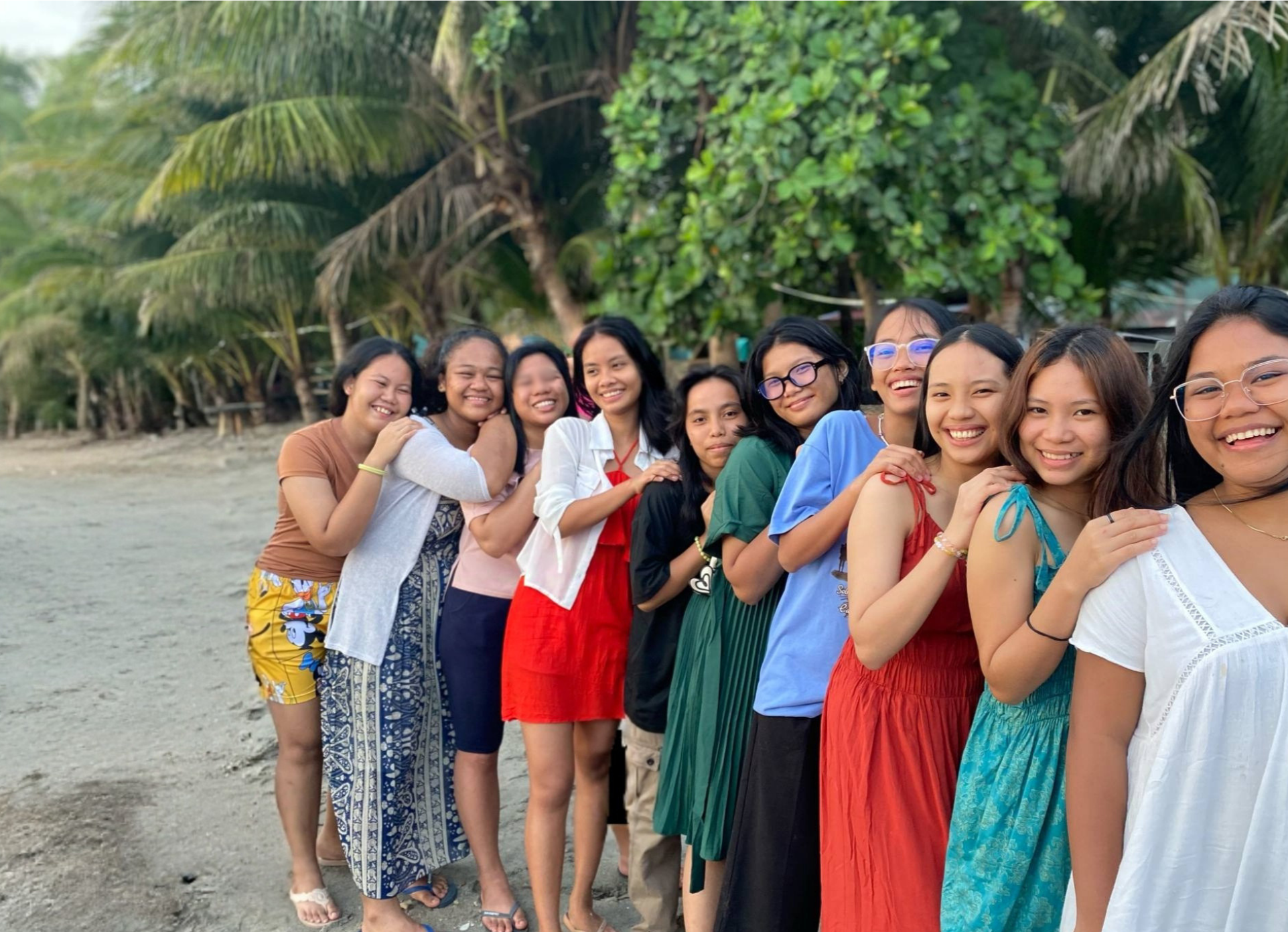
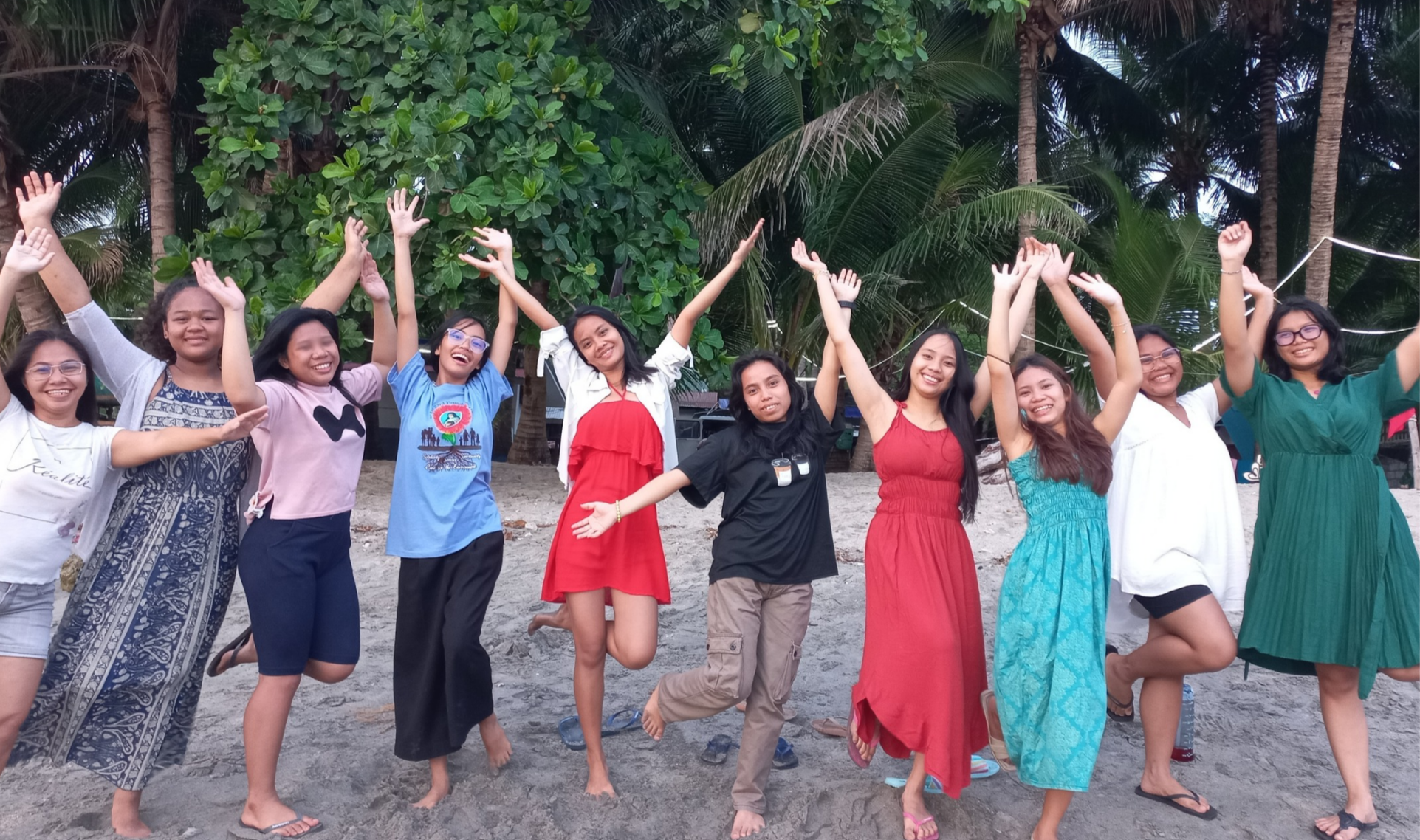
A safe environment in which to face past trauma, overcome it and regain confidence. Knowing themselves better helps them identify their strengths and look to the future again.
“From learning to earning”
A genuine action plan, with clear goals throughout the program. Trained in everything from self-awareness to the professional world, they define their life project and build their independence step by step.
Making choices, taking initiative and owning the consequences: gradually, so she dares to step out of her comfort zone, without ever being left alone.

“Be the pilot of your life, not its passenger”
For a young woman who has long lived in institutions where adults decided for her, taking charge of her life can be frightening. The goal is not to leave her alone, but to gradually give her the means to take on her responsibilities.
Caring, yet demandingA balance between security and high expectations: a reassuring framework in which to take risks, and adults who believe in them, encouraging them to go further, persevere and gain confidence in their abilities.
Behind these figures are, above all, personal journeys: young women who have learned to know themselves, regain confidence, take on responsibilities and imagine a different future.
The Second Chance Program is a community-based program. It offers innovative programs and interventions to at-risk youth and young offenders in the juvenile justice system to reduce recidivism. Three main areas of focus:
 Prevention
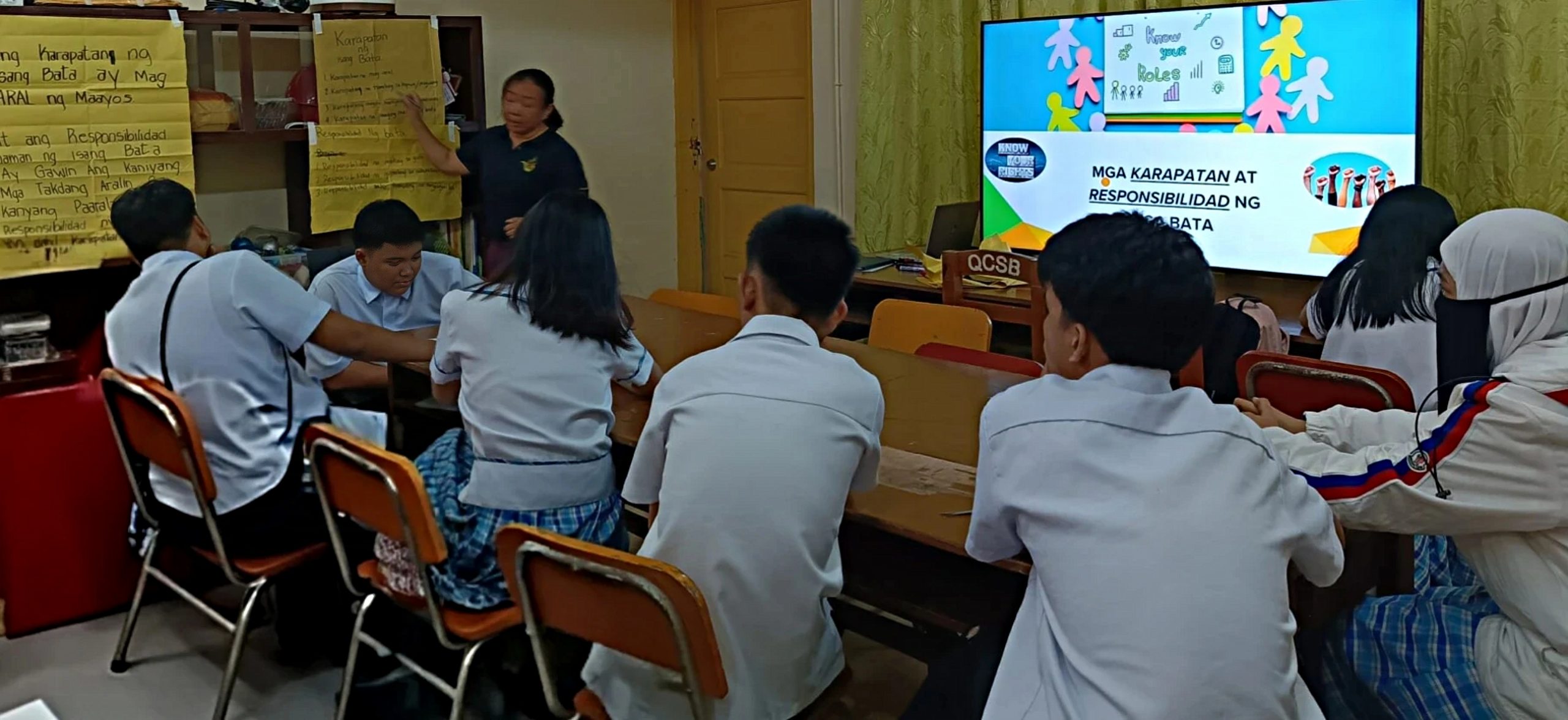
Local Government Units are increasingly confronted with a surge of petty offenses among youth, while schools face a growing number of violent behavioral concerns among students aged 15–18. These issues often stem from family neglect, social media influences, and early exposure to gangs and delinquent environments.
Recognizing that academic interventions alone are insufficient, schools have sought ACAY’s support to extend Life Skills training that helps young people address personal and behavioral challenges. In response, ACAY has expanded its reach by developing programs and advocacy campaigns that engage parents, professionals, and service providers, strengthening their capacity to support youth effectively.
In collaboration with Local Government Units and schools, this subprogram serves as a preventive intervention for children and youth at risk of delinquency. It addresses behavioral issues early through training and essential life skills that support their transition into responsible adulthood.
Each year, ACAY partners with one or two schools or local units to deliver a six‑month training module focused on self‑awareness, decision‑making, goal setting, anger management, and other psychosocial competencies essential for life in society. ACAY’s strategy integrates school youth leaders into the formation process, creating a supportive network around the youth at risk.
Additionally, ACAY conducts Preventive Capacity Building Workshops—advocacy campaigns for professionals, parents, and government staff who interact directly with youth. These trainings equip them with practical tools and insights to better understand and respond to the needs of young people at risk.
 Rehabilitation
Cases involving Youth in Conflict with the Law (CICL) in the Philippines declined significantly over the past decade but rebounded after the pandemic. While rape cases surged during lockdowns, theft and robbery now represent the most frequent offenses, with most offenders aged 15–17. The justice system has evolved to make detention a last resort, prioritizing diversion and alternative measures. Only youth charged with heinous crimes are placed in Youth Homes.
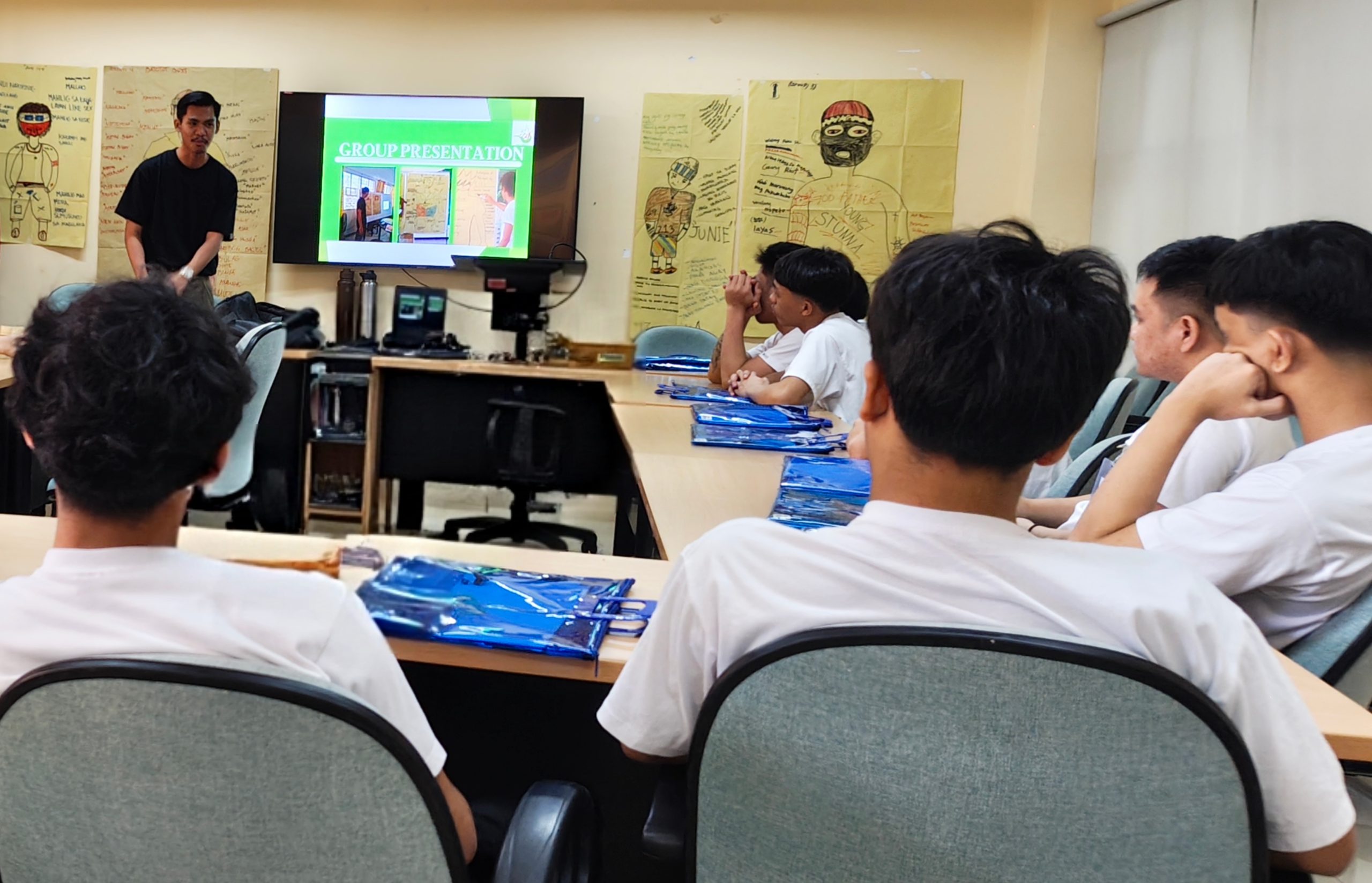
To restore and equip youth by preparing them for successful reintegration into society through inner realization, personal growth, and skill development.
This subprogram seeks to combat recidivism by transforming detention into a constructive period of reflection and growth. It enables young people to examine the root causes of their delinquent behavior, understand their emotional and behavioral patterns, and prepare for new, responsible life choices.
Within Youth Centers, interventions include a six‑month Life Skills training and coaching program called GOAL, designed for youth aged 16–21. The program fosters self‑awareness, psychosocial development, and readiness for successful reintegration into society.
Drawing from ACAY’s long‑term field experience, detention can become a pivotal moment of transformation, where youth engage most authentically in a life‑changing process.
 Reintegration
Recidivism among CICLs in the Philippines remains a pressing concern. Short detention periods (approximately two to three months) in Youth Homes rarely allow young people to reach meaningful inner realizations. Diversion programs, though designed as alternatives to detention, often leave youth exposed to recurring struggles, negative influences, and gang environments within their communities.
Moreover, staff capacity building across Youth Centers, facilities, and intervention programs remains uneven and insufficiently aligned nationwide, limiting the consistency and impact of rehabilitation efforts. Finally, family cooperation is fragmented and lacks a structured framework. Strengthening parental accountability and restoring their capacity to guide and support their children must become a strategic component of intervention design.
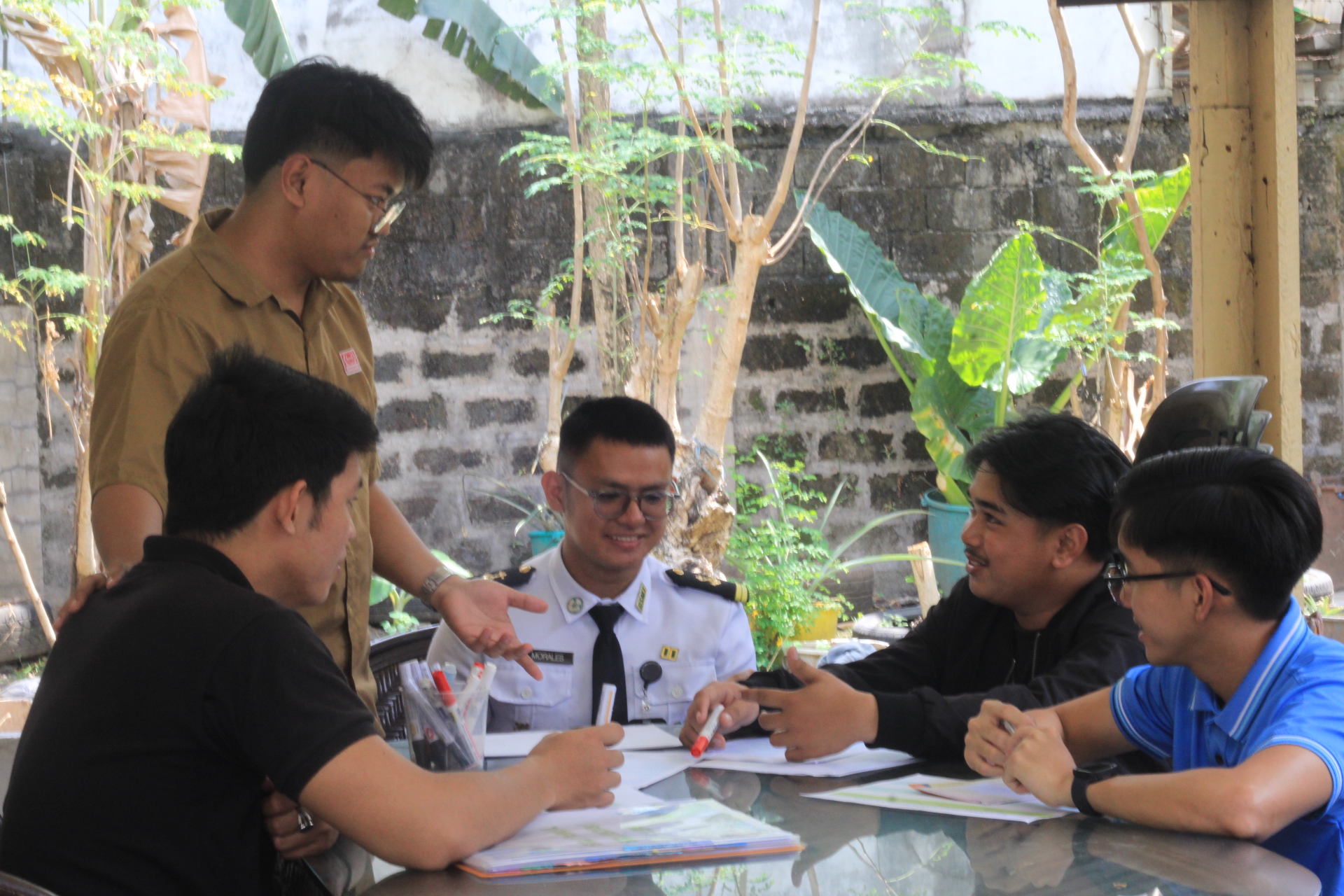
To provide innovative pedagogical post-release interventions and strategies for the successful reintegration of the youth into mainstream society and the professional world.
The Reintegrative Program is a six‑month intensive pathway combining Life-skills training, personalized coaching, and structured reintegration support. It empowers young people under judicial process or transitioning from detention, aged 16-21, to rebuild their lives, regain confidence, and re‑enter society and the workforce with dignity and purpose.
As part of the reintegrative approach, the program intentionally extends beyond the individual youth to the entire family ecosystem. It involves the youth’s parents as active partners in the rehabilitation process. This strategy aims not only to strengthen family ties but also to restore parents in their own parental capacity—helping them rebuild confidence, communication, and supportive roles toward their children. Through structured sessions and guided accompaniment, families are empowered to become agents of sustainable change.
Implemented in close partnership with social workers from the Department of Social Welfare and Development (DSWD) and the Ministry of Justice, the program bridges institutional, judicial care, and reintegration into society. Judges frequently endorse participation, recognizing it as a key rehabilitative step toward sustainable reintegration.
A strategy with impact
The parents of young people enrolled in ACAY programs are, as much as possible, the primary partners of the ACAY teams. Their involvement in the programs is part of ACAY’s strategies to ensure the sustainability of its youth-focused initiatives.
ACAY offers training opportunities for parents aimed at restoring and strengthening their parenting roles, equipping them with new skills necessary to navigate a changing society.
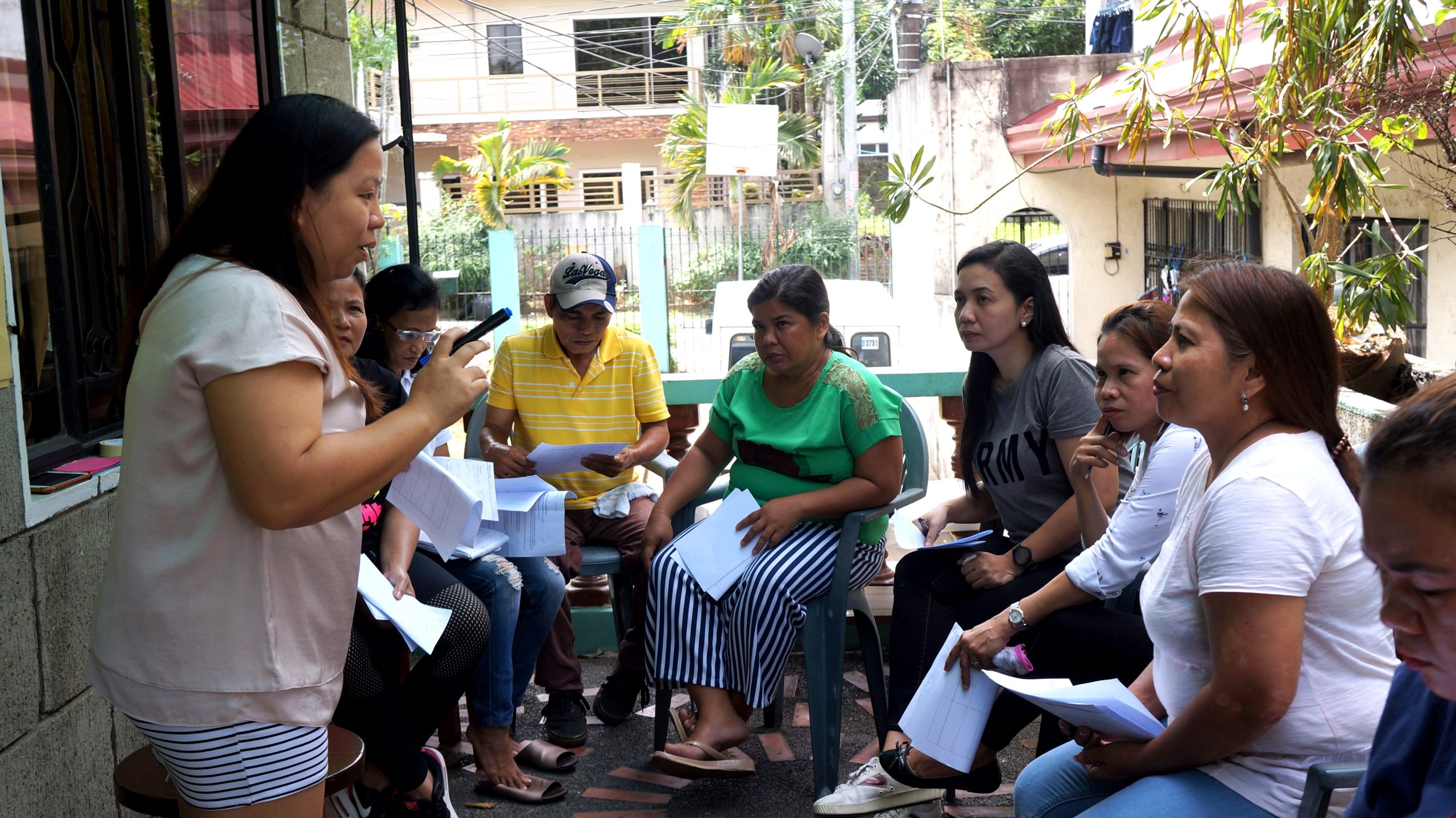
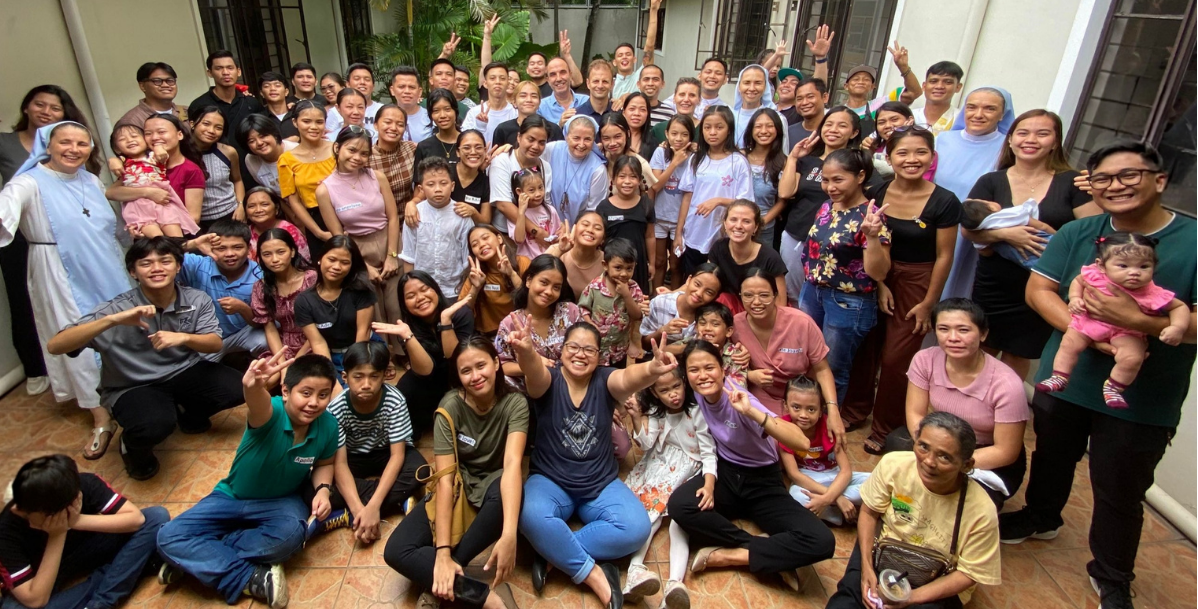
Dialogue between parents and youth.
Parallel training sessions for youth and parents on topics such as “Intergenerational Communication”, “Love Languages”, “Roles Within the Sibling Group and Cultural Responsibilities”…
A safe space for parents to share their own unresolved traumatic experiences.
Each year, ACAY alumni, now in committed relationships, return to recharge and revisit their family experiences in a supportive listening environment.
“Before joining the Second Chance Program, no one knew what would become of my son. As a young man who had dropped out of school and had no clear direction in life, I felt discouraged as a parent. As I’ve walked alongside him at ACAY, I’ve seen him transformed. Today, he’s responsible, he’s getting good grades in school, and personally, I’ve regained hope in my ability to guide him.”
“Thank you, ACAY, for walking alongside us, for understanding our situation as parents of children in conflict with the law, for supporting our sons, and for organizing training programs for them and for us so that we’ll know how to guide them when they’re released.”
“I would like to express our gratitude to all of you at ACAY. You have been a blessing to us. Thank you for coming to our community, for organizing training sessions for our young people and for us, and for helping us rebuild our relationships with one another. We’ve learned once again how to communicate with one another and appreciate each other.”
ACAY prioritizes in-depth work with each young person in our care, so that he or she, in turn, becomes capable of helping other young people in the future.
This strategy is based on freely choosing to participate and on the principle of “youth participation” (UNICEF). Every young person entering ACAY’s programs expresses their intention to commit to the program. A culture of responsibility is thus placed at the center of our work.
Developed by ACAY Philippines, the Metamorpho.sYs Journey method is a hybrid approach that combines compassion with the digital world (Compassion Tech). It places the young person at the heart of their own transformation and empowers them to take ownership of their decisions.
The young person is considered in all aspects of their life. ACAY ensures alignment between “being”—self-awareness and personal development—and “doing”—building the skills needed to navigate society and become a young professional.
ACAY Philippines has chosen to broaden young people’s horizons:
So that the organization’s evolution aligns with that of the young people and the societies in which it operates.