ACAY Missions Philippines
To equip young people with the tools they need to transform themselves and be ready to face the challenges of today’s and tomorrow’s world.
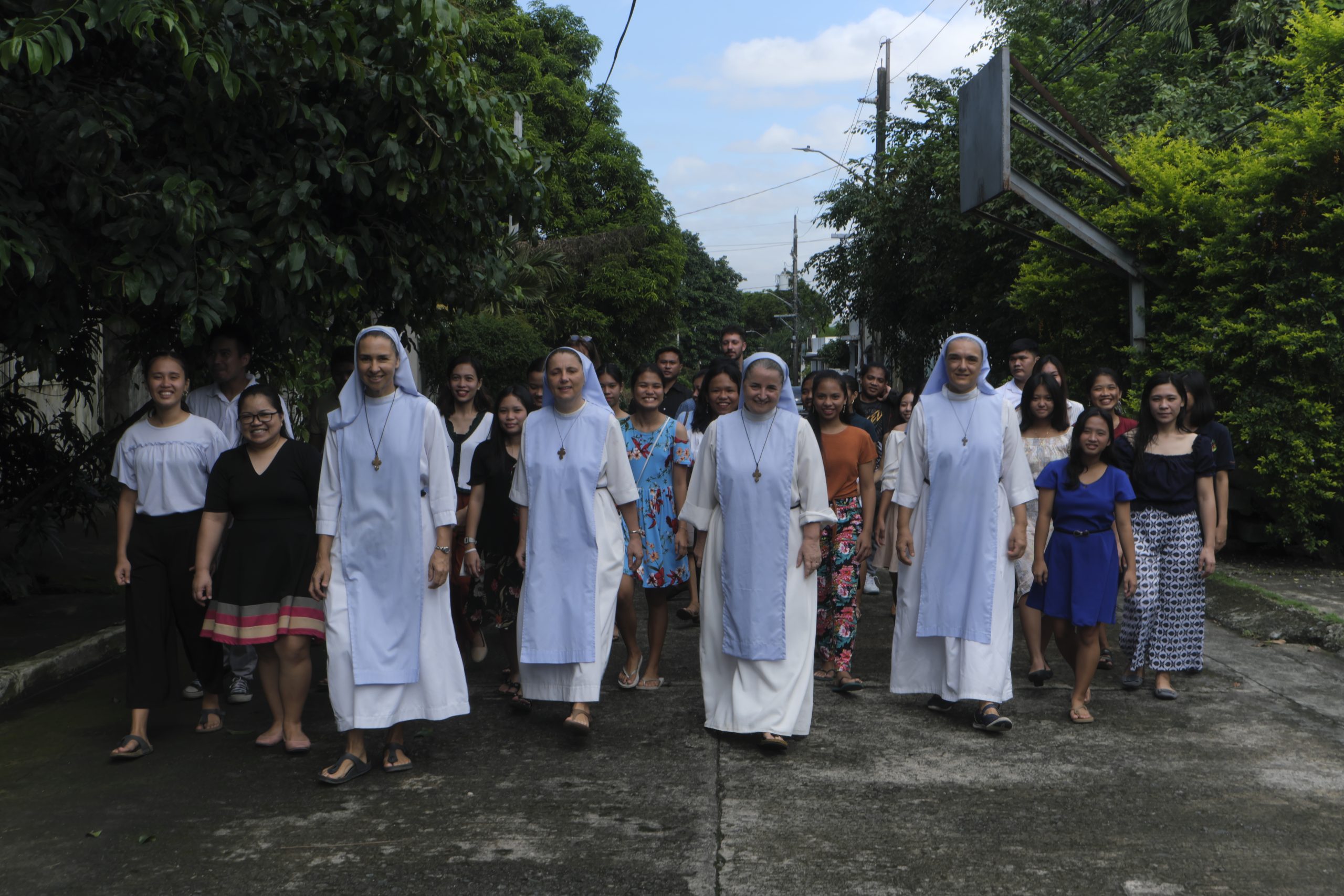
Our mission and purpose
ACAY aspires to create a tangible societal impact by developing and offering innovative resilience programs that give young people the tools to transform their traumatic experiences into opportunities for growth, acquire the skills to build their future within society and the professional world, and prepare themselves to meet the challenges of today and tomorrow.
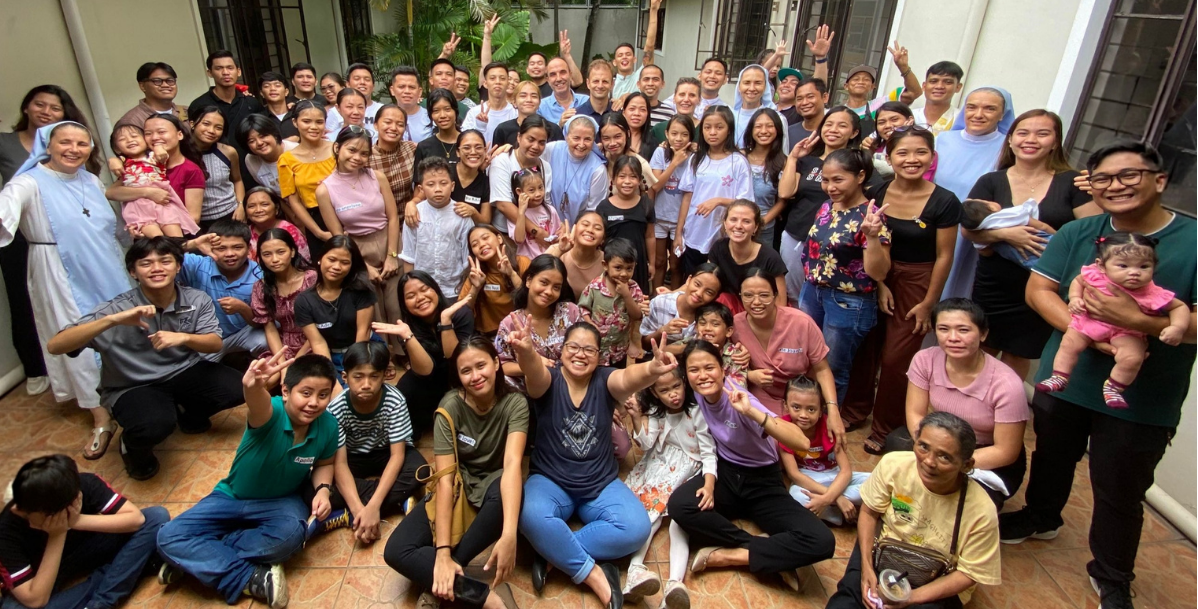
Offer a transformative journey to youth at risk restoring them from trauma and equipping them for successful reintegration into society, self-sustainability and professional readiness.
Provide a nurturing and learning driven environment that fosters a sense of belongingness, growth, safety and well-being for everyone journeying with ACAY MPI.
To pioneer and synergize innovative strategies that impact societal, cultural and professional gaps, fostering transformation and empowerment in today's fast-paced modern world.
Our values
Social needs
ACAY… a voice for 16- to 21-year-olds!
Of the 458 NGOs active in Manila, fewer than ten specifically target 16- to 21-year-olds—those pivotal years of transition from adolescence to adulthood. Most programs stop providing support at age 18, leaving many young people unprepared and lacking the tools and skills needed to successfully integrate into society and the workforce. ACAY has reinvented the programs, strategies, and methods used in its centers to address this critical need.
Learn more
In May 2024, of the 458 NGOs operating in Manila, more than 180 were dedicated to children and adolescents, but fewer than ten specifically targeted young people aged 16 to 21. ACAY turned this systemic gap into a strategic niche by developing unique expertise in this critical period of development, known as the “sweet spot.” At the crossroads between the end of adolescence and the transition to adulthood, this age group represents the most opportune time for self-discovery and social integration, as the decisions made during this period often shape one’s entire future.
The current social reality poses a major challenge: social services are abruptly cut off at age 18, leaving these young adults alone and unprepared to face the immense challenges of independence.
Furthermore, traditional educational models often come across as infantilizing; they foster a culture of dependency, passivity, and reliance on others rather than preparing young people to take charge of their own lives. A culture of responsibility within centers or programs serving young people is still too rare. Yet, while it is true that “your past does not define your future,” the decisions made during this pivotal period irrevocably shape these young people’s futures.
Finally, this lack of emotional, social, and financial preparation led us to rethink and strategically redesign the final years spent in our centers. The social reintegration stage must be designed so that young people are ready for adult life: able to make their own decisions and lastingly equipped with strong psychosocial skills.
Our recognitions
The driving forces of ACAY
Board of Trustees
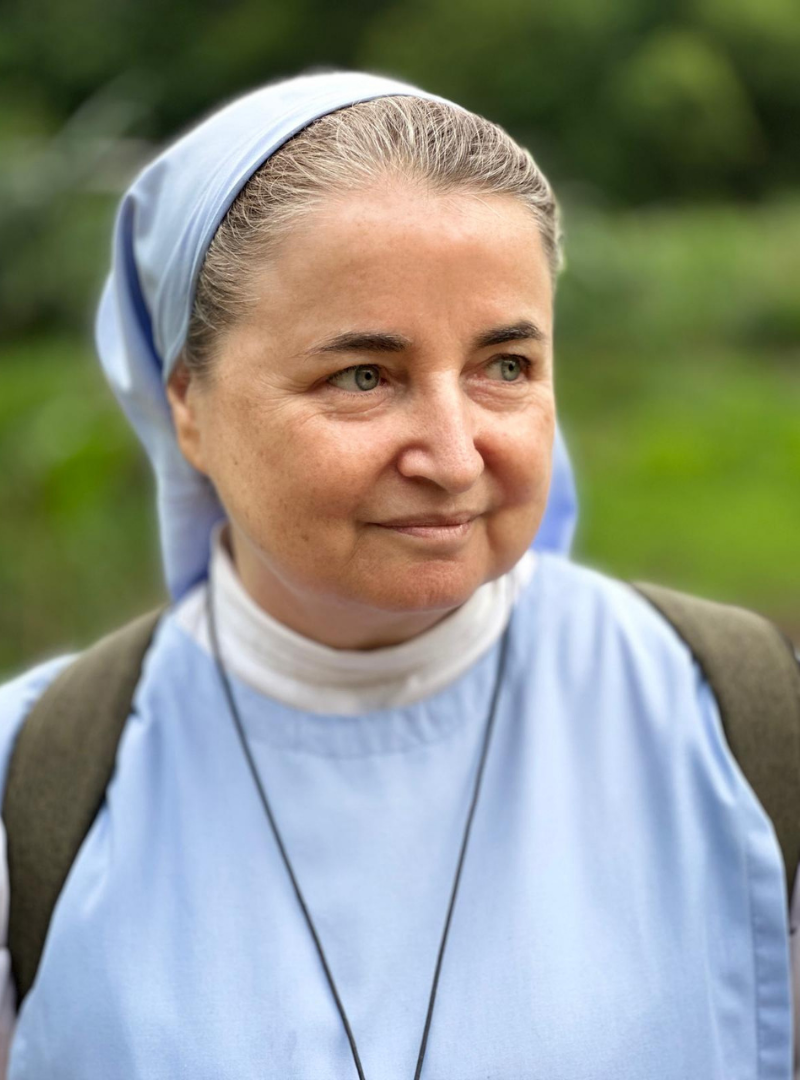 Sr Sophie de JesusPresident
 Dr ErvinVice President
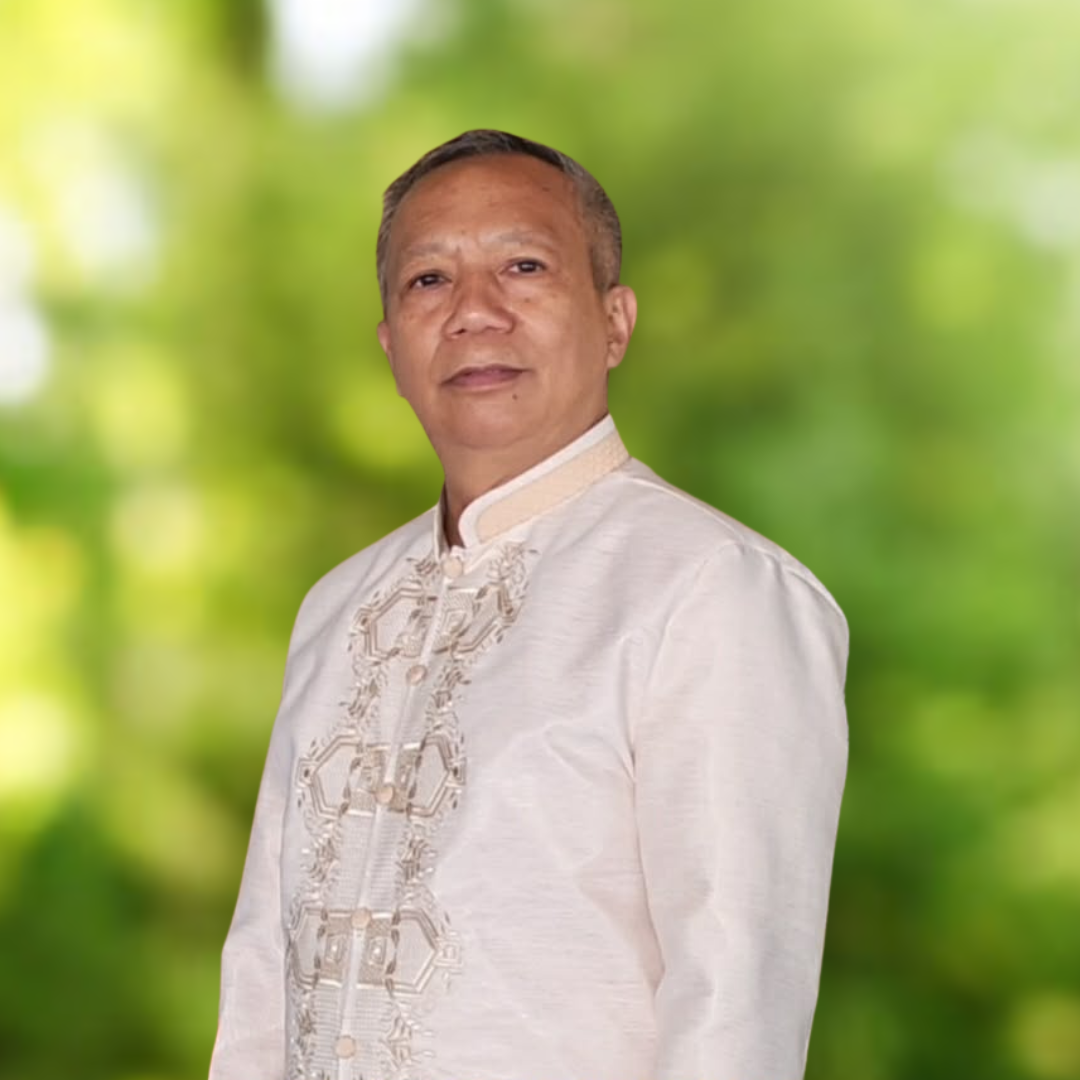 Atty. Dario, RSWBoard Secretary
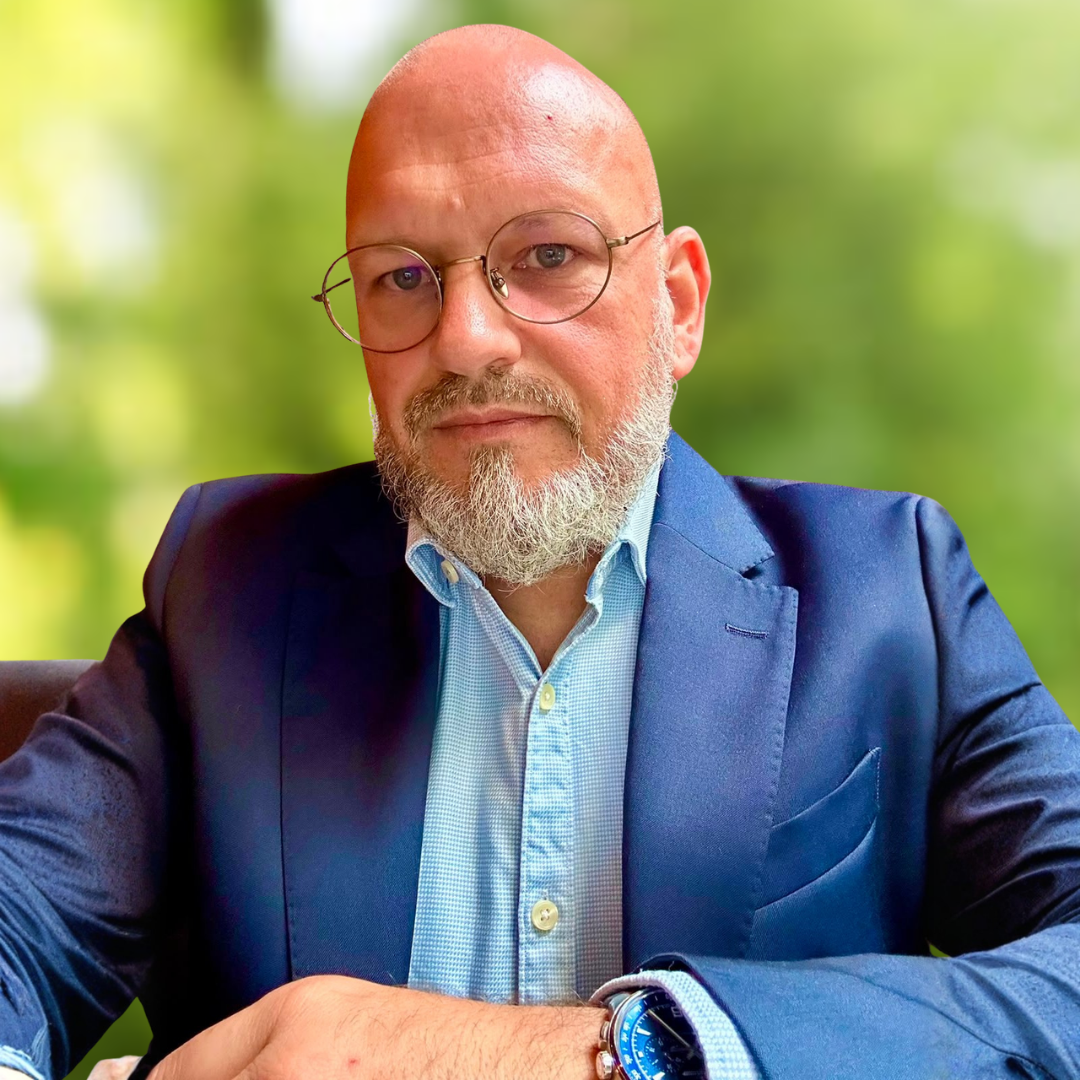 Mr. JeromeBoard Treasurer
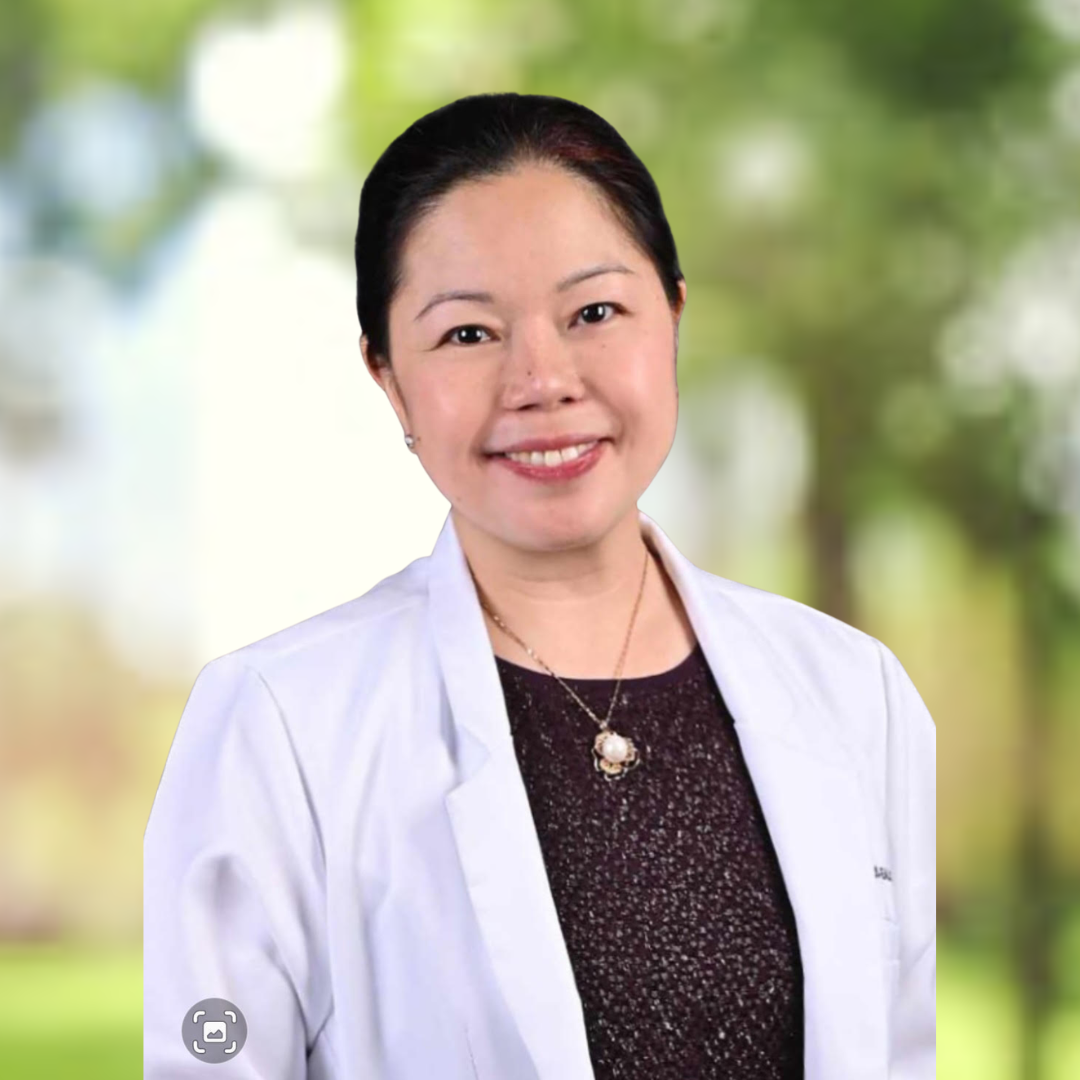 Dra. MiaBoard Member
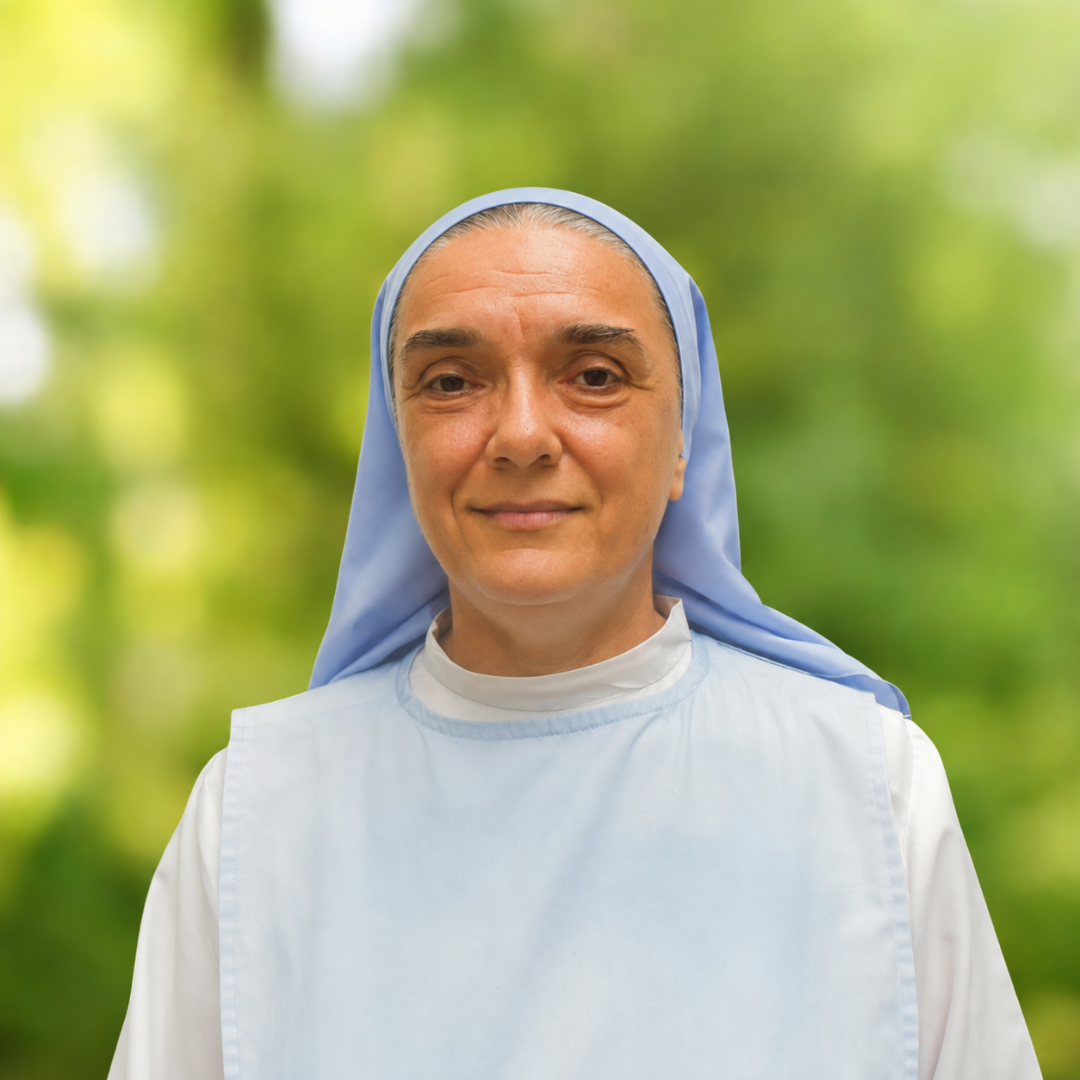 Sr EdithBoard Member
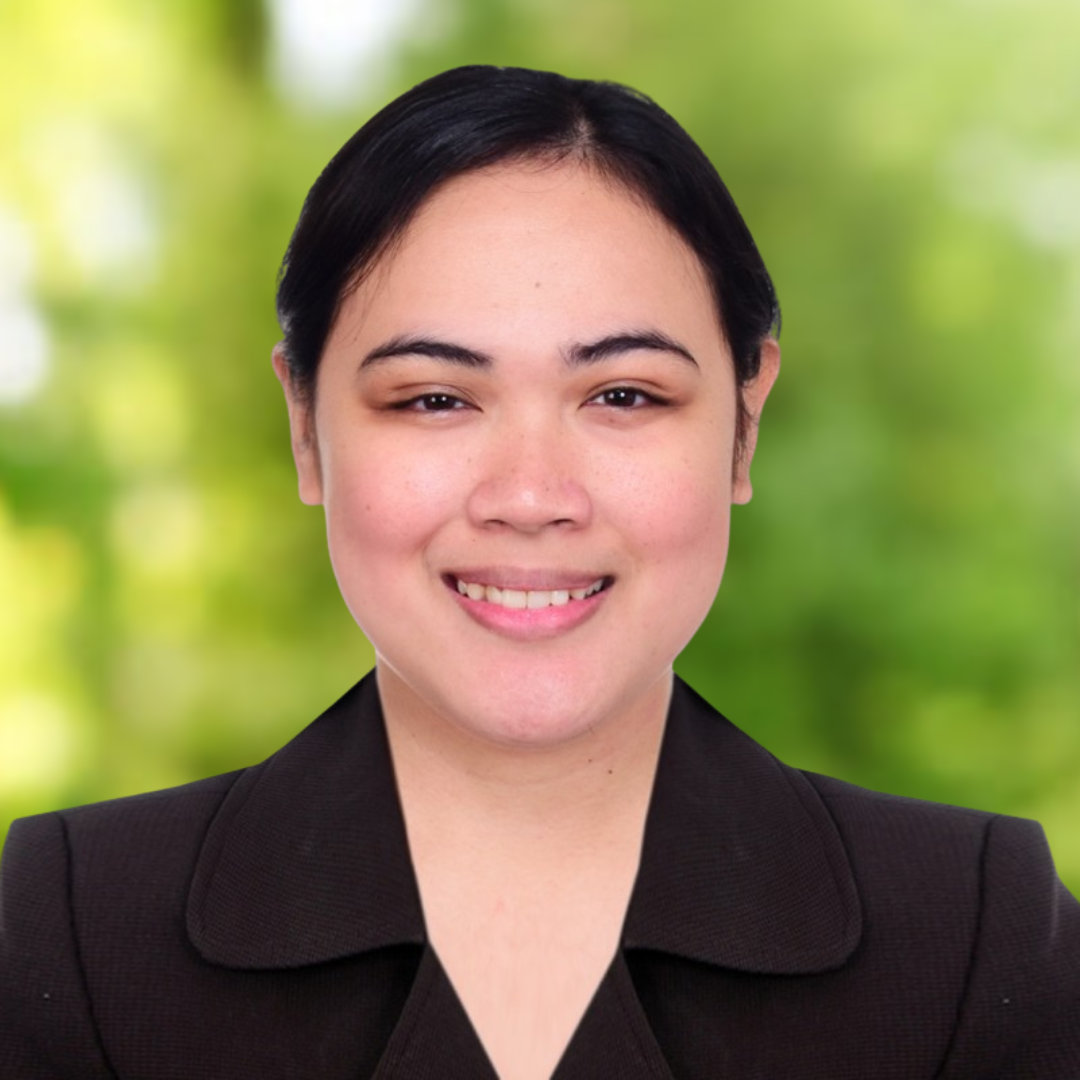 Ms. PatriciaBoard Member
Staff organizational chart
Sr Sophie de JesusExecutive Director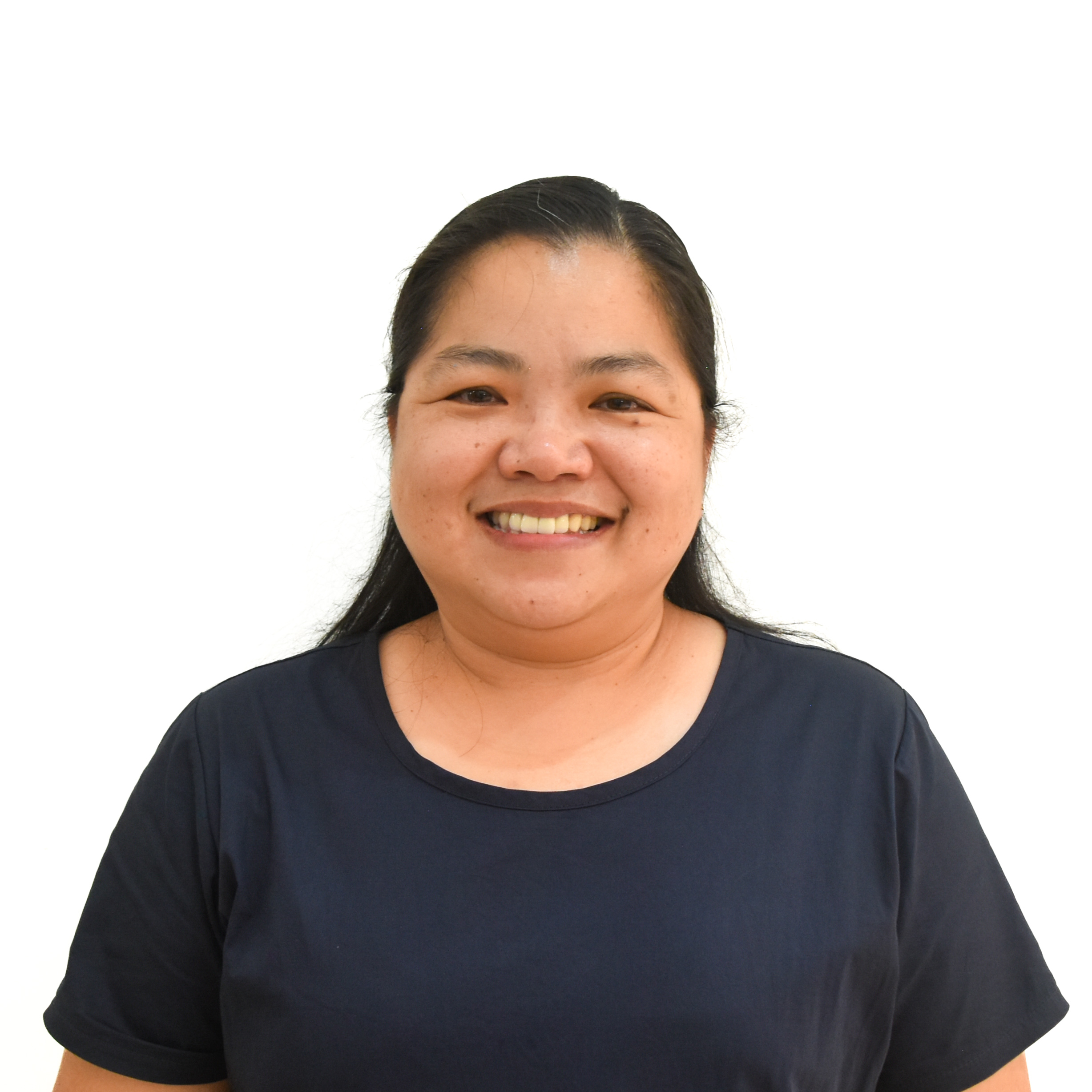 Yvonnie GutierrezDeputy Executive Director
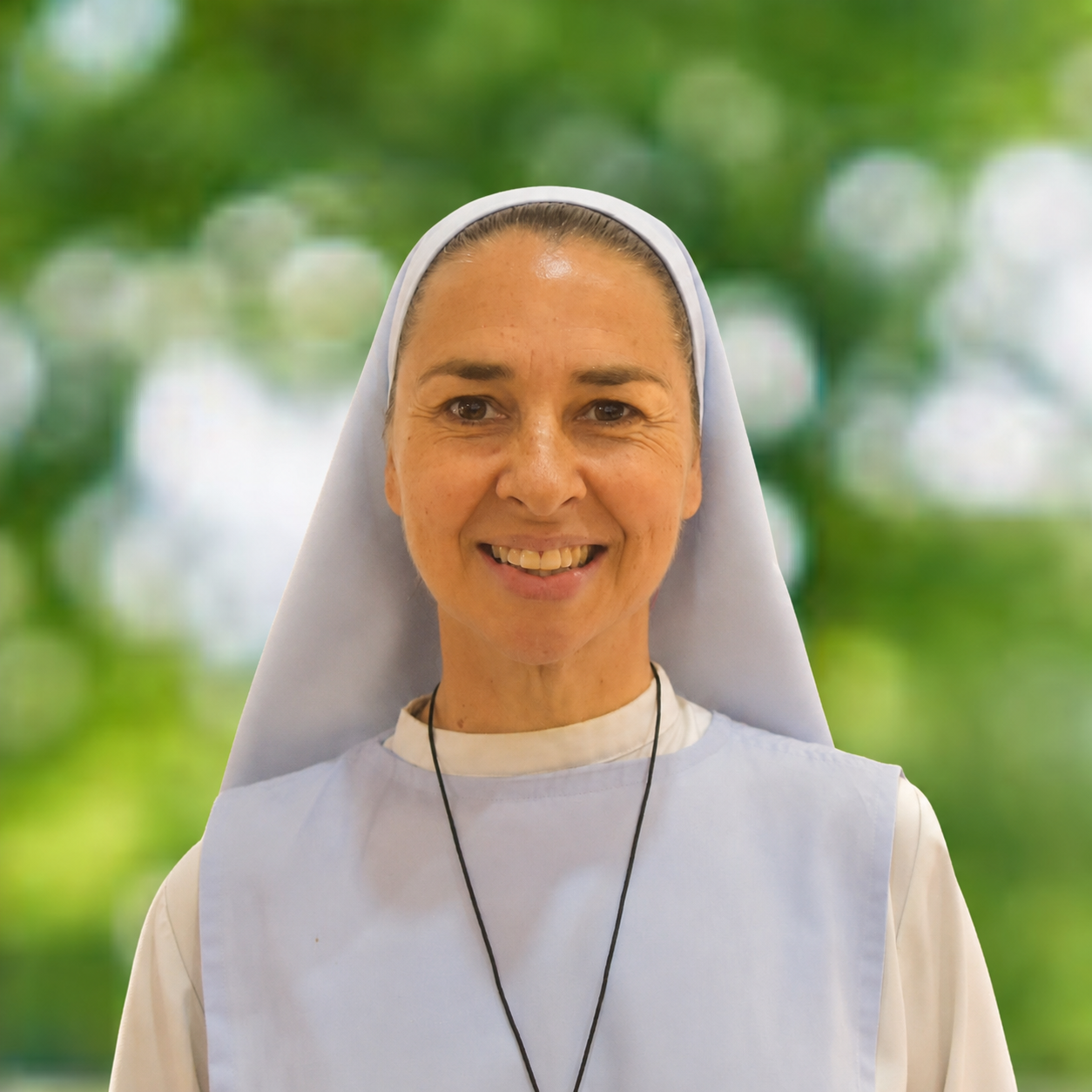 Sr Rachel LuxfordSchool of Life Manager (SOL)
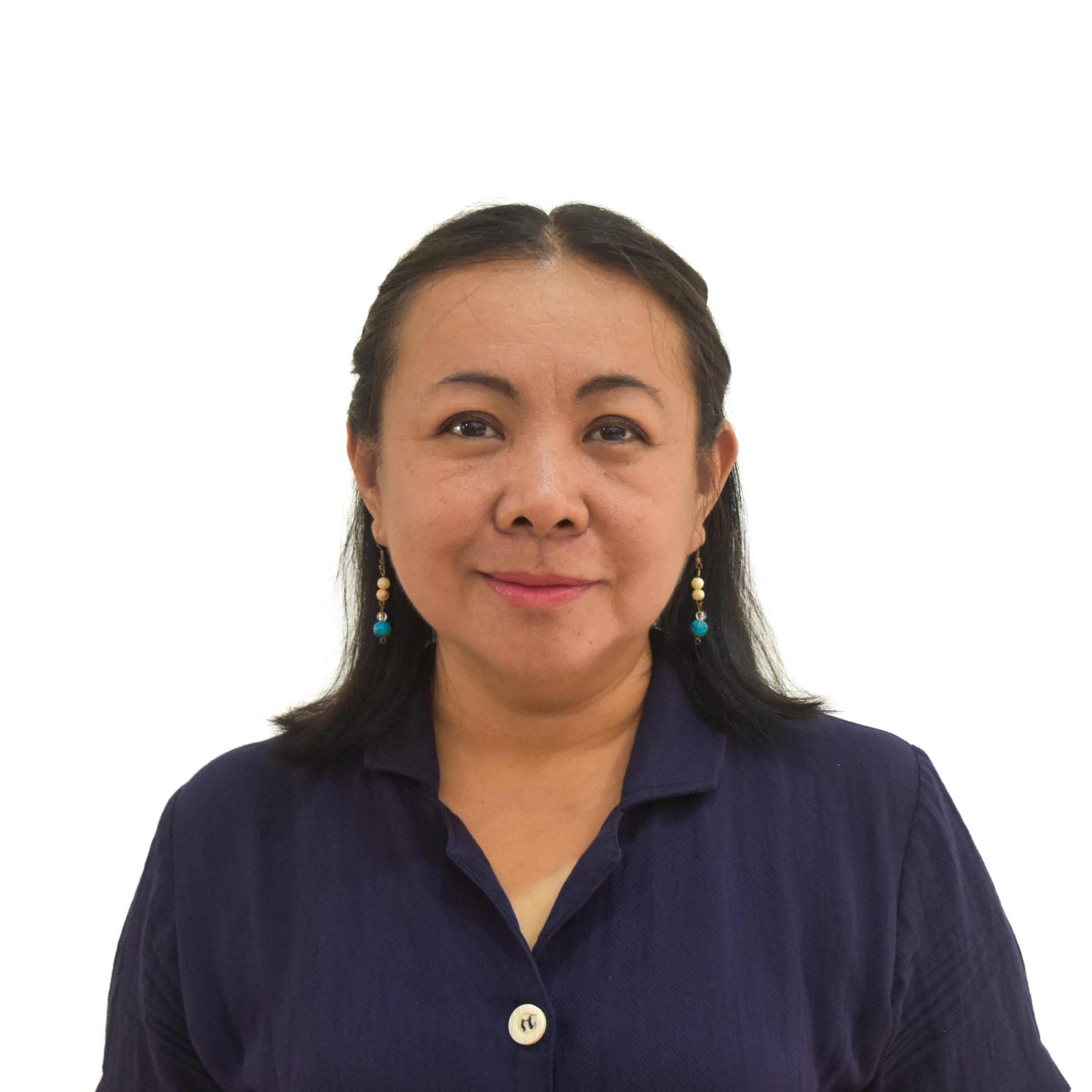 Marlou SimangonSecond Chance Program Manager (SCP)
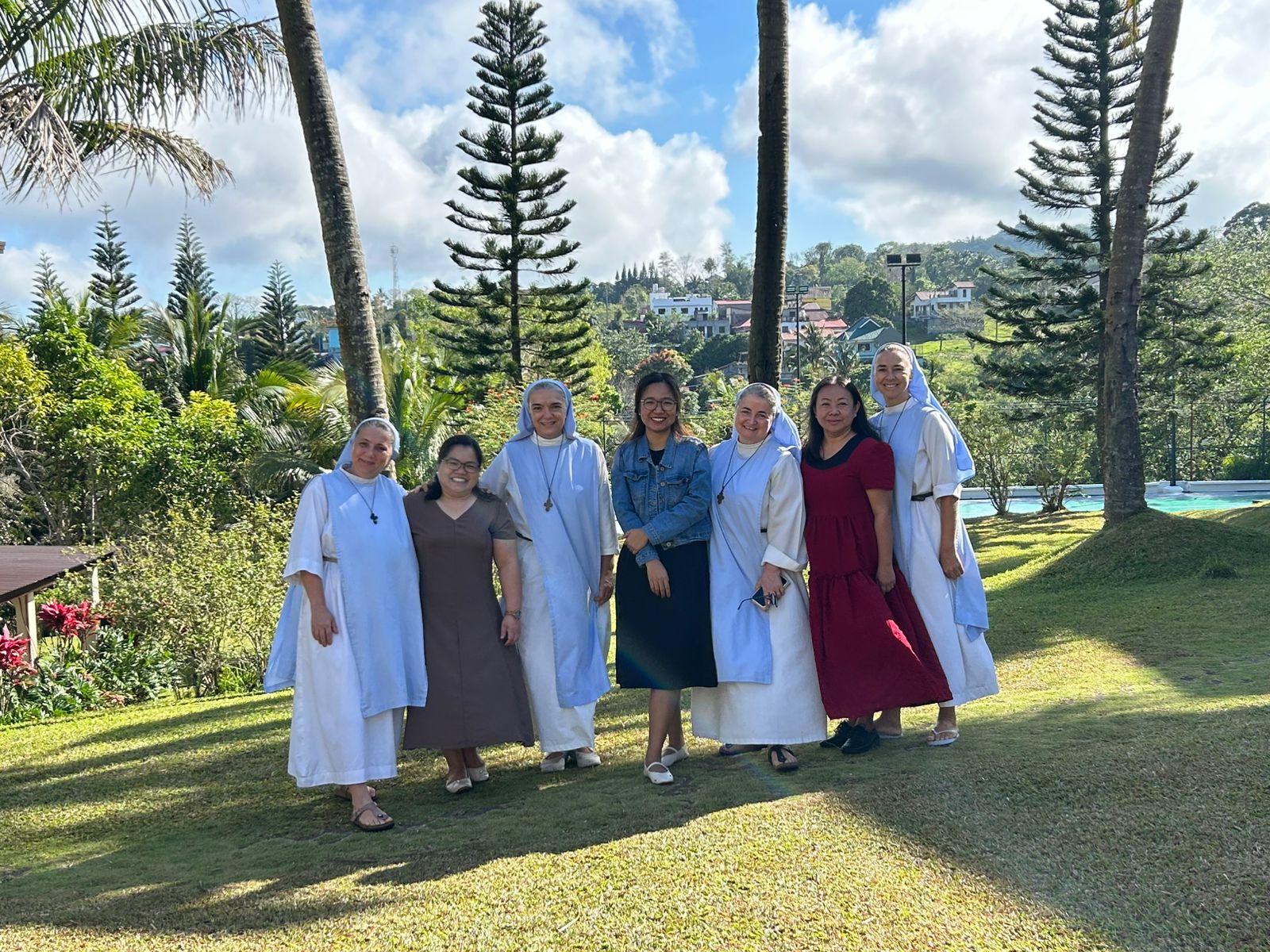 Innovation HubWith the management team
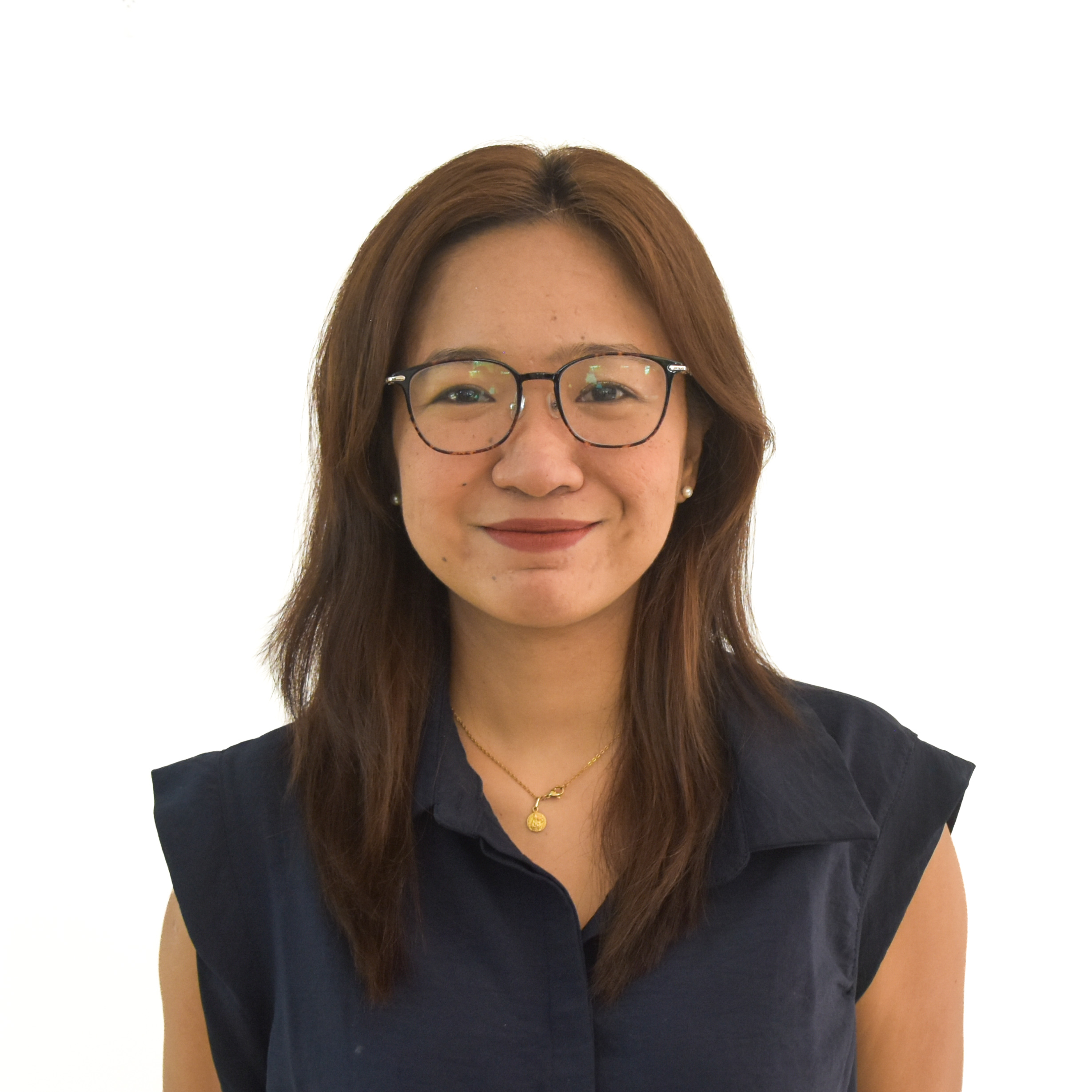 Jamaica PalpallatocAdministrative Manager
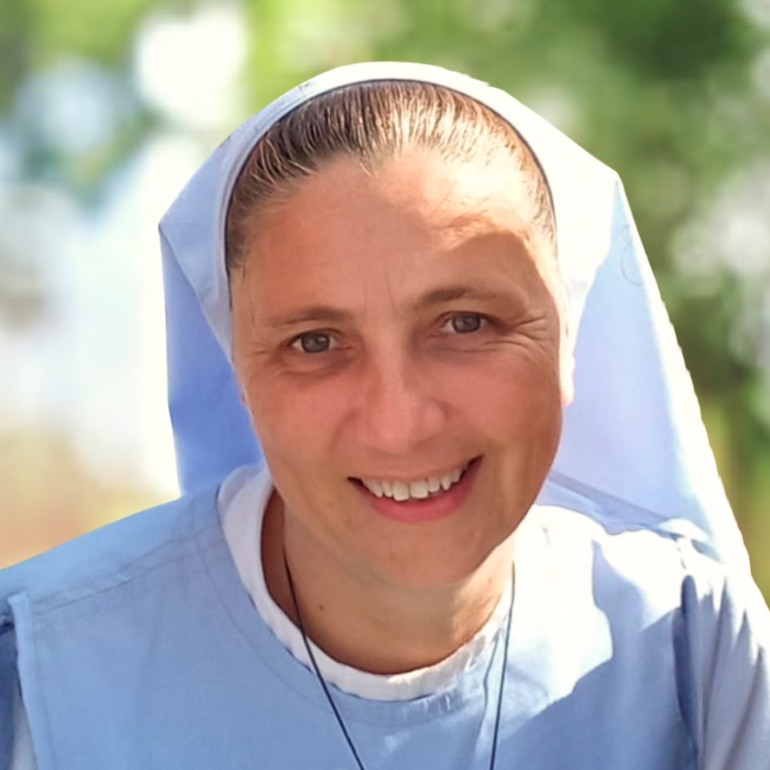 Sr Laetitia GorczycaFinance, Partnerships and Communications Manager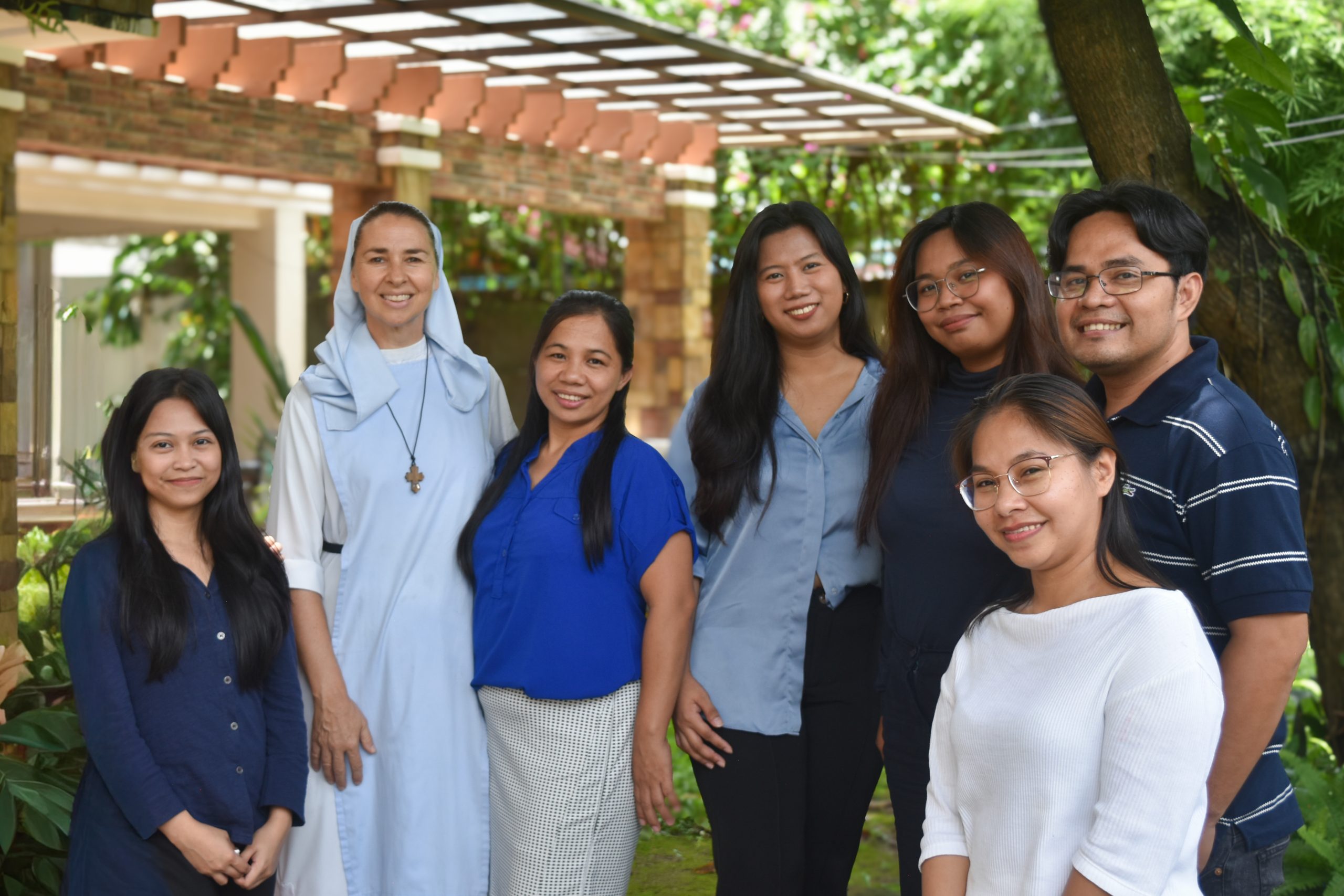
School of Life team
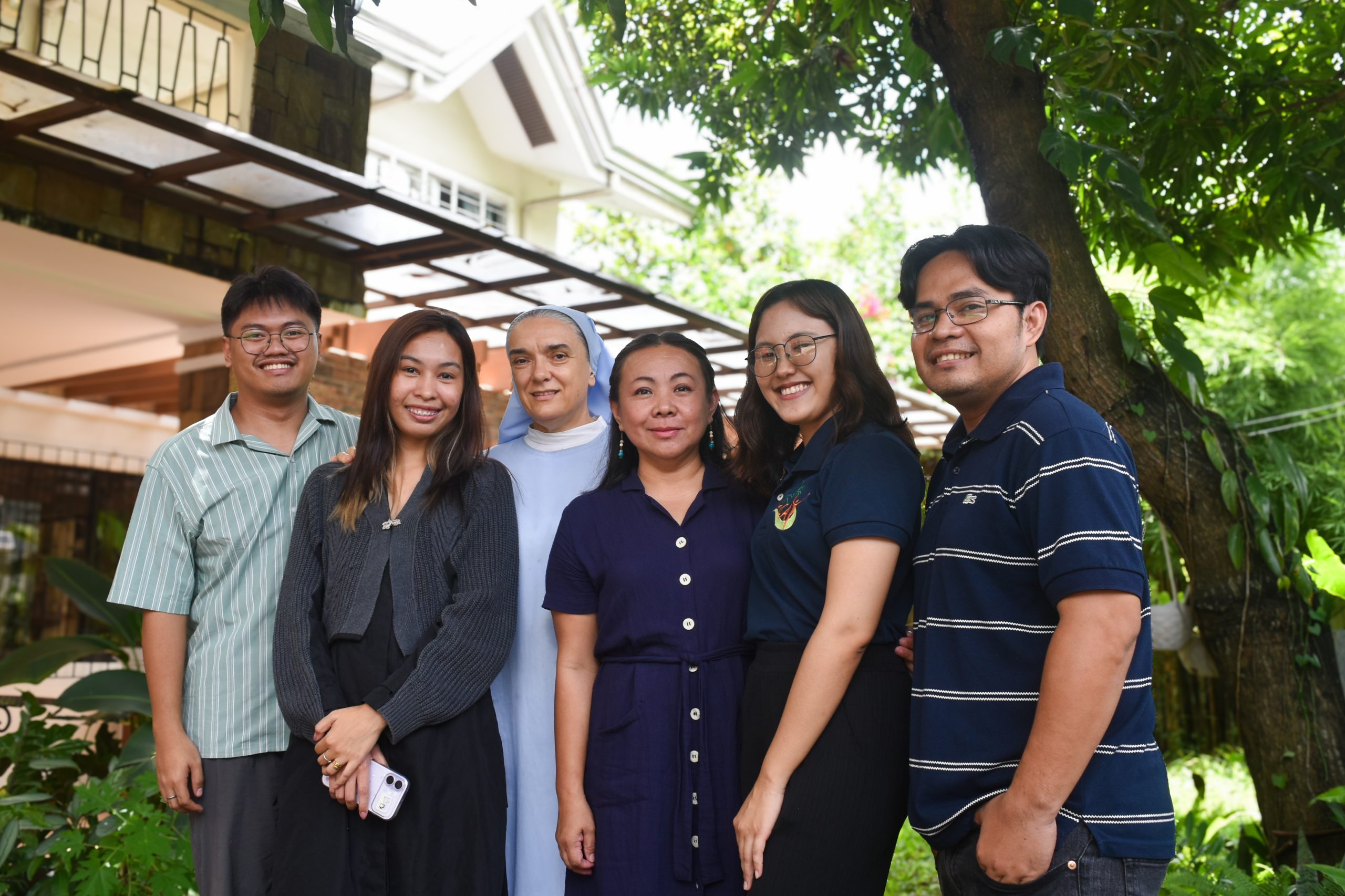
Second Chance Program team
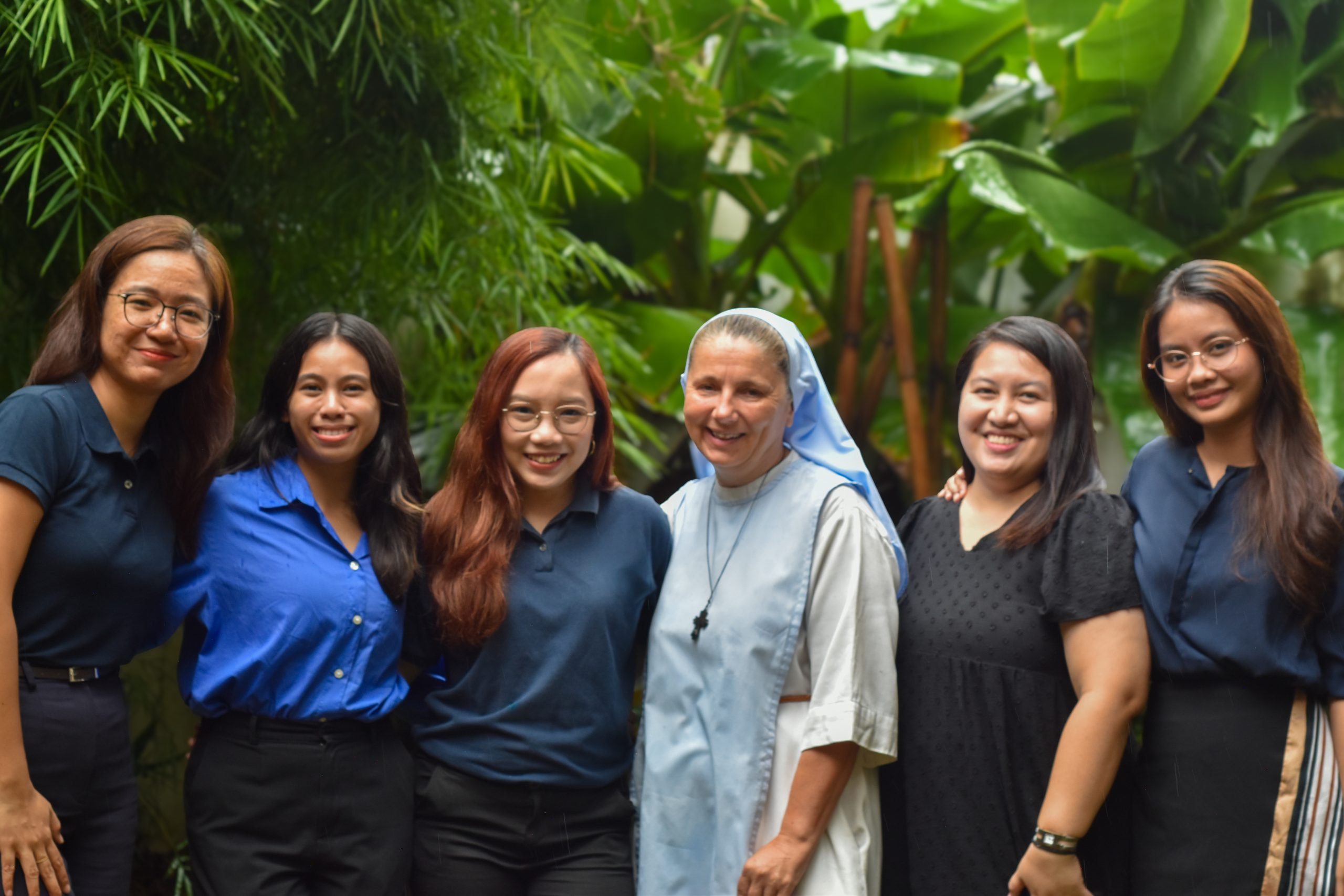
Administration, Finance, Partnerships and Communications team
Our partners
A network of committed partners working alongside us to build the future and multiply our impact
Financial partners
Operational partners
When young people tell the ACAY story
Their voices, our story. Words from transformed lives.