Our programs
Prevention Program: Take Charge of Your Life, Detention Program: Crossroad, Aftercare Program: Take up the Challenge, Ambassador Program: Dare to Lead.

Prevention Program Take Charge of Your Life
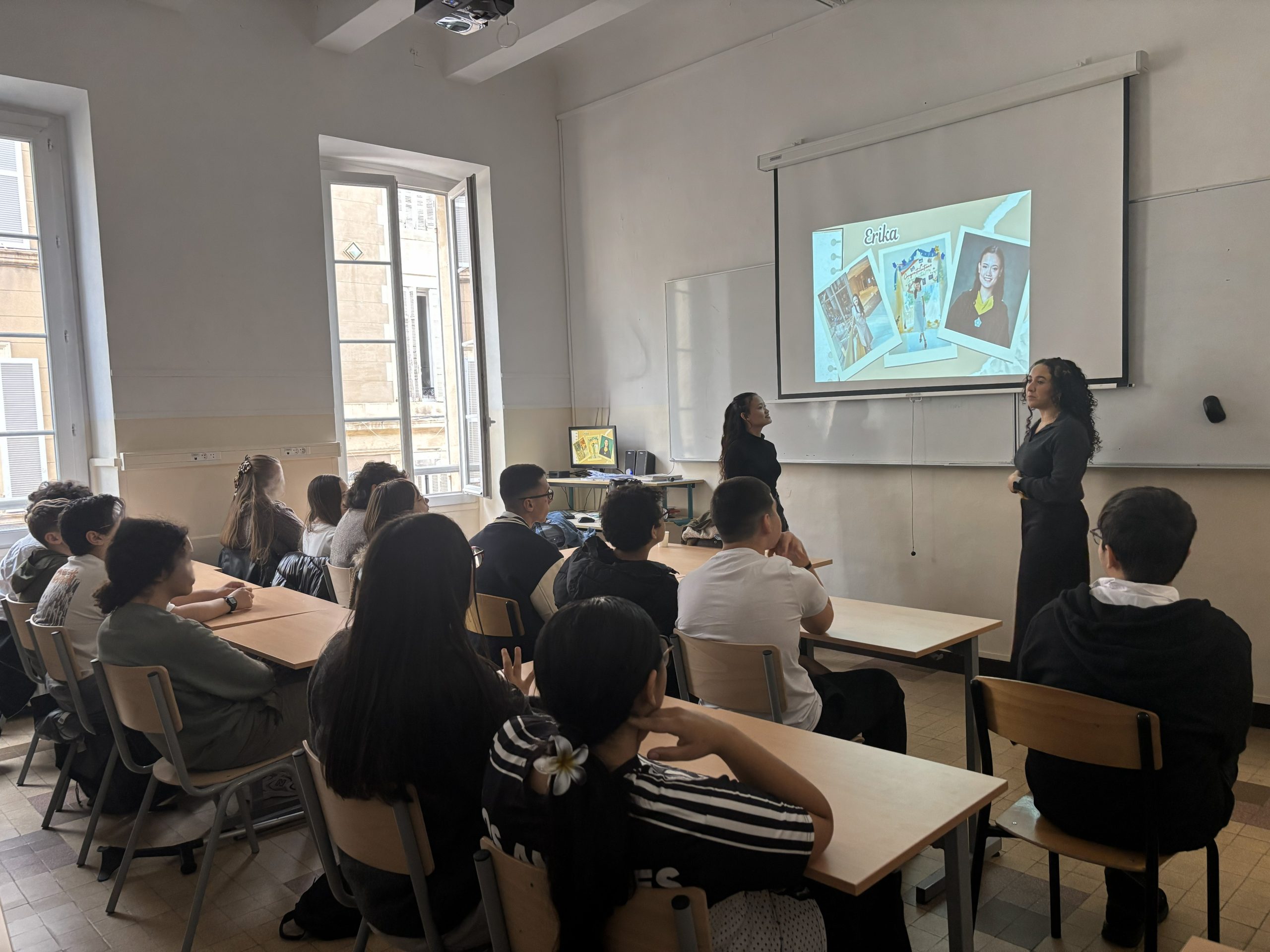
Dropping out of school is a major vulnerability factor and can increase the risk of involvement in delinquent behavior. According to the French Defender of Rights, 72% of minors in the juvenile justice system have experienced a prolonged period out of school, and 80% had to repeat a grade as early as primary school.
On top of these academic difficulties, many of these young people face family breakdown, life paths marked by traumatic events, or fragile family environments. As a result, 50% of minors in the juvenile justice system have an absent father, 70% have received educational support measures, more than 50% have a family member who has been incarcerated, and 30% have a parent with a mental illness.
These factors, which often add up, can weaken young people's life paths and increase the likelihood that they will commit offenses.
In response to this reality, ACAY decided to take action with young people facing academic and/or family difficulties through a prevention program.
Source: Défenseure des droits, Annual report on children's rights, 2025.
In 2026, in partnership with Child Welfare Services (Aide Sociale à l'Enfance), ACAY France is rolling out training programs for young women who are victims and live in residential care facilities.
Detention Program Crossroad
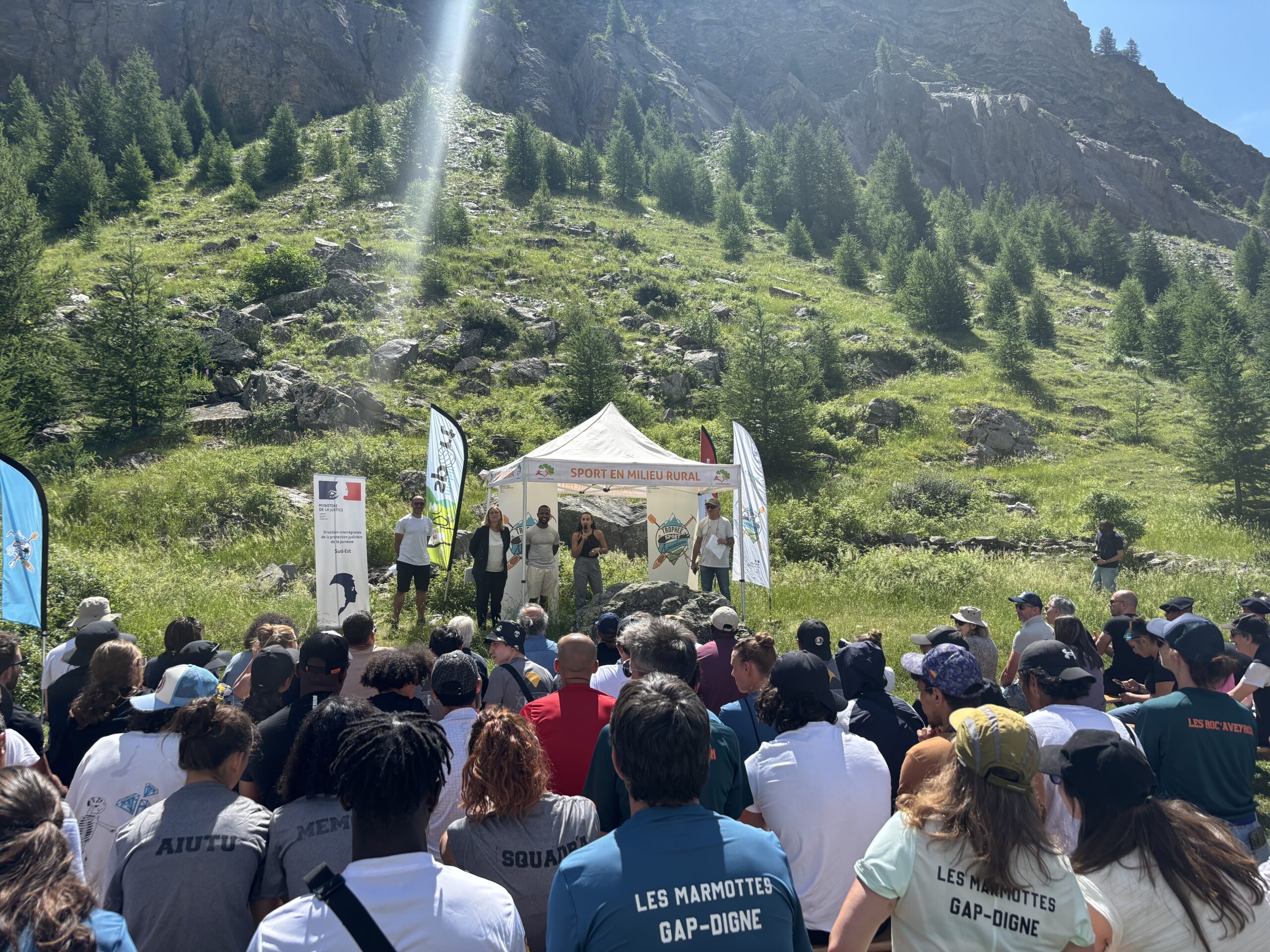
Nationwide, 179,000 minors are monitored by the French Judicial Youth Protection service (PJJ). Nearly half are 16 or 17 years old and 90% are boys. Since 2017, the number of teenagers prosecuted for serious violent offenses has almost doubled.
The Sud region faces a specific problem of “serious organized crime” involving ever younger minors, often linked to drug trafficking networks: the so-called “minots” (kids) of the drug trade.
In this context, ACAY supports young people monitored by the PJJ, both in detention and in community-based settings. The organization works in particular at the juvenile prison in Marseille, in the juvenile wings of the Avignon, Aix-en-Provence and Grasse prisons, in the girls' wing of Les Baumettes prison, and in several closed educational centers in the Sud region.
Sources: Défenseure des droits, Annual report on children's rights, 2025 · French Ministry of Justice, Juvenile offenders, 2024.
Turning time in detention into an opportunity for growth, awareness and self-discovery.
Aftercare Program Take up the Challenge
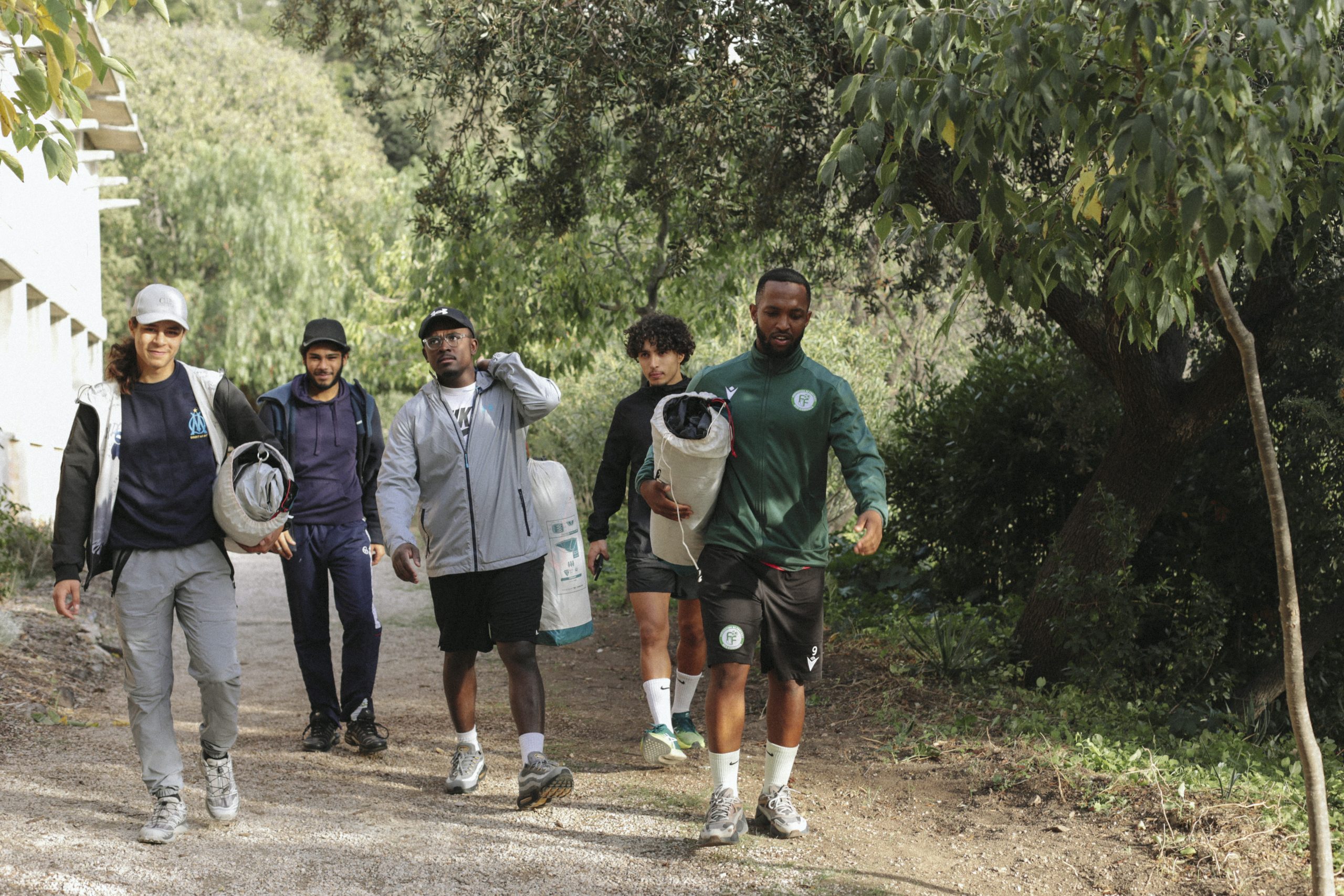
Since juvenile detention is generally short, 2.6 months on average in 2022, release is a particularly decisive yet fragile moment. Without appropriate support, young people can quickly return to the same environments, the same relationships and the same patterns that contributed to their involvement in delinquency.
ACAY therefore continues its support beyond detention by fostering a sense of belonging to an uplifting community that can take the place of the drug trafficking network young people risk returning to upon release.
Source: Assemblée nationale, Annual performance plan “Justice”, 2022.
Supporting the social and professional reintegration of young people upon their release from prison or a placement facility by continuing to review their life experiences and help them develop their potential.
Ambassador Program Dare to Lead
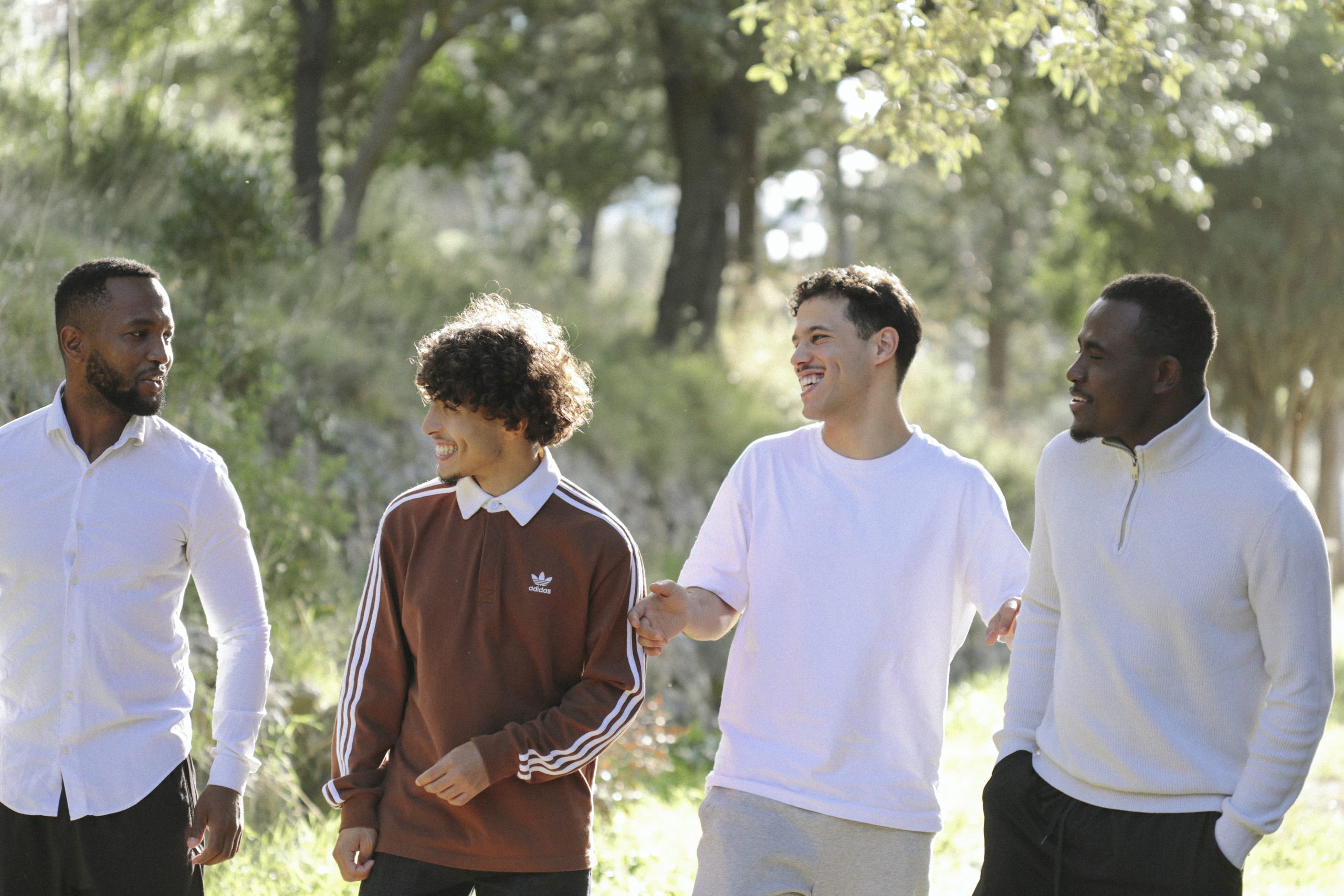
Peer education is based on sharing knowledge, guidance and skills between people who are experiencing, or have experienced, similar situations.
This approach is at the heart of ACAY's support to increase our impact on young people. Who better than those who have lived through family and school difficulties, delinquency or the challenges of reintegration to pass on messages of resilience and hope to our young people who are still on their journey? This approach makes the messages shared by our teams even more concrete and tangible, allowing young people to identify with life stories in which they can recognize themselves. It also highlights the journeys of former participants, moving them from the position of beneficiaries to that of actors and resources for others.
The challenge is therefore twofold: strengthening the impact of our support while enabling those we call our Ambassadors to turn their experience into real “knowledge” to share.
Training former program participants to become ACAY ambassadors. Through their personal stories shared with young people and those around them, as well as their involvement in mentoring, they serve others and demonstrate that transformation is possible.
We have developed various awareness-raising tools to make our work known and give young people's voices a central place:
A 6-track conscious rap album, written and performed by the ambassadors. A resource for our support work, carrying inspiring messages of hope.
A 50-minute documentary that traces the journey of resilience of 3 young people supported by ACAY in the Philippines and 2 young people in France.
A show that mirrors two inspiring life stories: that of Rayane, a young person supported by ACAY, and that of Paul Dewandre (actor).
A podcast in which Yaniss and Ange share their journey alongside those who played a key role in their transformation. 6 podcast episodes are currently in production.
These tools support our work with young people, but they are also designed to reach and raise awareness across our entire ecosystem.